The Ultimate Guide to Home EV Charger Installation
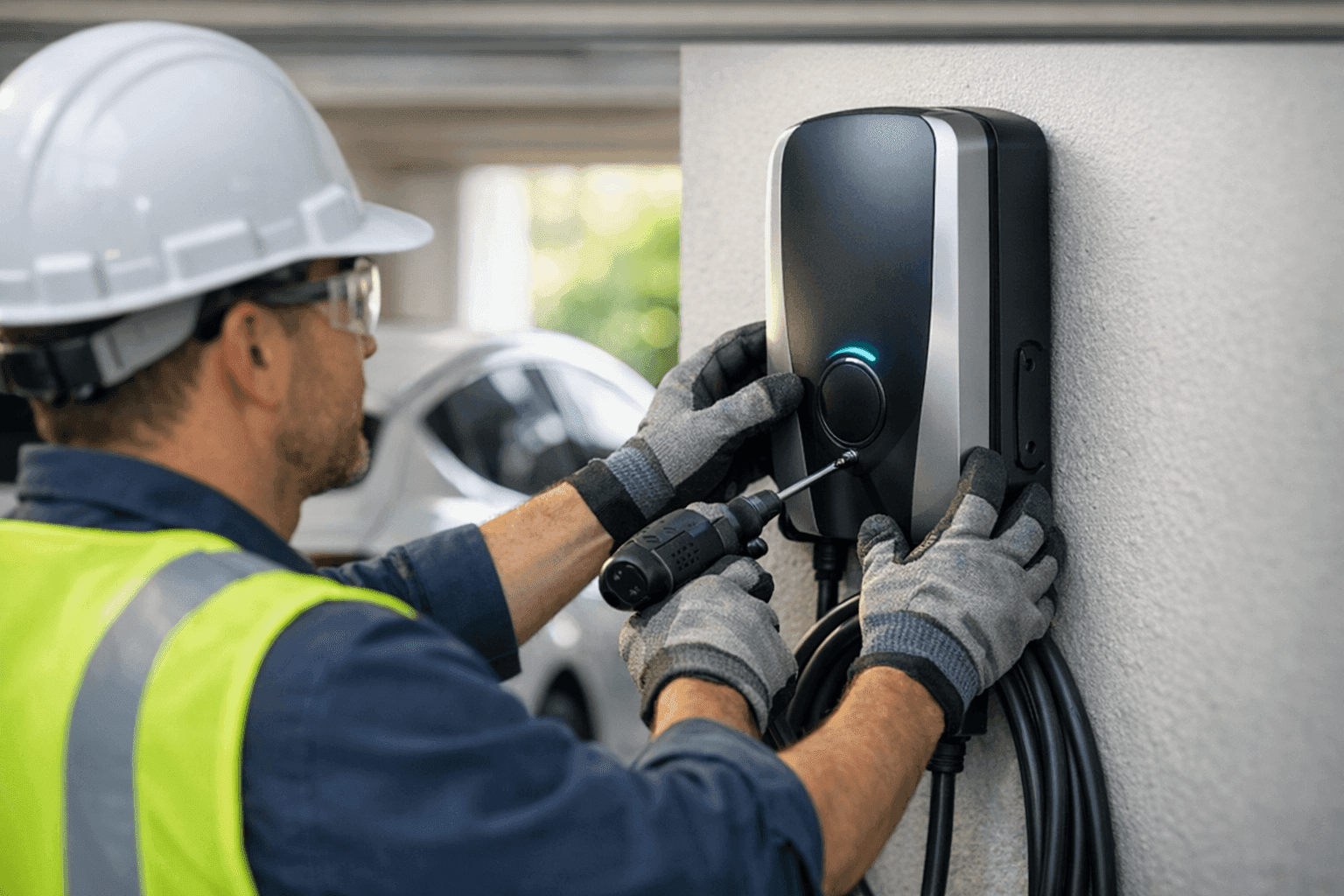
Are you thinking about plugging in and powering up your electric vehicle at home? You’re not alone. EVs are zipping onto driveways everywhere, and the home charger is quickly becoming as essential as the kitchen fridge. But installing one isn’t as simple as plugging in a toaster. It takes planning, expertise, and attention to safety.
At Lighteq Electric, we know the path from curiosity to charge can feel like a maze. We’re here to help you map it out, step by step, so you can charge up with confidence.
Types of EV Chargers: Which Plug Fits Your Life? ⚡
There’s no one-size-fits-all when it comes to EV chargers. They come in three main flavors, each suited to different needs:
- Level 1 Chargers: These plug into a standard wall outlet (120V). They’re slow—think watering your garden with a straw. Good for overnight charging if you don’t drive far daily.
- Level 2 Chargers: The sweet spot for most homeowners. These require a 240V circuit, much like your dryer or oven. Faster. Smarter. Usually adds 25–40 km of range per hour of charge.
- Level 3 (DC Fast Chargers): Rarely installed at home due to their high power demand. Found at public stations. Fills up your battery fast—like using a firehose.
Think about your driving habits, parking setup, and how much speed you really need before choosing.
Assessing Your Electrical System: Can Your Home Handle the Power?
Before you even buy a charger, your home’s electrical system deserves a close look. Imagine pouring water into a glass already full—it’s going to spill. Adding a Level 2 charger means extra load for your panel.
Here’s what a licensed electrician checks:
- Panel Capacity: Is there enough amperage left? Or will you need an upgrade?
- Existing Circuits: Dedicated circuits are a must—no sharing with the fridge or basement lights.
- Wiring Condition: Old or damaged wiring can’t take the strain.
- Grounding: Proper grounding keeps your system safe during storms or surges.
The National Electrical Code (NEC) sets strict requirements, and your local regulations may be even tighter. Don’t skip this step—it’s the foundation for safe charging.
Installation Steps: From Planning to Plugging In
Installing a home EV charger isn’t a Saturday DIY project for most homeowners. Here’s the roadmap professionals follow:
- Assessment and Planning
- Review your electrical panel and choose the best charger location—close to your parking spot, but also weather-protected if outdoors.
- Determine wiring path and any needed upgrades.
- Permits and Paperwork
- Local codes usually require a permit. This ensures all work is inspected and up to code.
- Some utility companies offer rebates but require documentation.
- Installing the Circuit
- Run a dedicated, properly gauged wire from the panel to the charger location.
- Install a new breaker and safety disconnect if needed.
- Mounting the Charger
- Secure the charging unit to the wall or pedestal.
- Connect the wiring, following manufacturer and code guidelines.
- Testing and Inspection
- Verify the system works safely at full load.
- Schedule a final inspection by municipal authorities.
Every step is about protecting your investment—and your peace of mind.
Safety & Code Requirements: Why Rules Matter 🛡️
Electricity doesn’t give second chances. That’s why every home charger install follows strict safety codes. Lighteq Electric’s certified electricians:
- Follow NEC Article 625 (Electric Vehicle Power Transfer System).
- Use ground-fault protection to prevent shocks.
- Ensure outdoor installations are weatherproof (NEMA-rated boxes).
- Secure all permits and schedule inspections.
Unlicensed or shortcut work can void your car warranty and put your family at risk. Stick with pros who know the code inside and out.
Dedicated Circuits: The Unsung Hero
A dedicated circuit is like your own private lane on the highway. Without it, your charger shares power with other devices. That can trip breakers or worse—overheat wires.
Key reasons for a dedicated circuit:
- Prevents overloads and nuisance tripping.
- Ensures maximum charging speed.
- Meets code and manufacturer’s requirements.
If your panel’s full, it may need upgrading—an extra cost, but one that pays off in safety.
Permits and Paperwork: Not Just Red Tape
Permits might sound boring, but they’re your ticket to a safe, legal install. Skipping them can cause headaches down the road—especially when selling your home or filing insurance claims.
Your electrician will:
- Pull the necessary permits.
- Coordinate inspections.
- Provide you with documentation for rebates or future reference.
It’s worth the short wait for long-term peace of mind.
Long-Term Cost Savings: The Real Payoff
Yes, installing a home EV charger costs more upfront than trickle-charging from a wall outlet. But look at the big picture:
- Lower Energy Rates: Many utilities offer cheaper overnight rates.
- Convenience: No more waiting at public stations.
- Increased Home Value: Buyers love EV-ready homes.
- Reduced Wear and Tear: Your car’s battery will thank you for steady, reliable charging.
Over time, the investment pays for itself in savings and convenience.
Maintenance Tips: Keep Your Charger Running Smoothly 🔧
Like any appliance, your EV charger needs a little TLC:
- Inspect Cables Regularly: Look for wear, cracks, or heat damage.
- Keep Plugs Dry: Moisture and electricity don’t mix.
- Clean the Unit: Dust and debris can clog vents.
- Test Ground Fault Protection: At least twice a year.
- Schedule Annual Electrical Safety Inspections: Catch issues before they become problems.
A quick check every month keeps things humming along.
DIY vs. Licensed Electrician: Why Credentials Count
Installing an EV charger isn’t like assembling flat-pack furniture. Mistakes can mean fire, shock, or lost insurance coverage. Licensed electricians:
- Know the latest codes and products.
- Carry insurance and warranty their work.
- Spot problems you might miss—like hidden panel damage or improper grounding.
That’s why Lighteq Electric’s team is certified, insured, and always up to date on the latest safety protocols.
What to Expect When the Pros Arrive
When you schedule an install with Lighteq Electric, here’s what happens:
- Site Walkthrough: We chat about your driving and charging needs.
- Panel Inspection: Our electricians check your main service for capacity and safety.
- Quote and Timeline: Clear, upfront pricing with no surprises.
- Professional Installation: Clean, safe, and code-compliant work.
- Testing & Walkthrough: We show you how everything works—and answer all your questions.
Simple, streamlined, and friendly.
Common Mistakes to Avoid
Some pitfalls are easy to sidestep with the right help:
- Undersized wiring (slows charging, risks overheating)
- No permit or inspection (voids insurance, risks fines)
- Outdoor units without weather protection
- Using extension cords (never safe for high voltage)
- Forgetting to check panel capacity
If you’re not sure, ask. It’s always better to double-check than to fix a costly mistake later.
Signs of Trouble: When to Call for Help
Watch for these red flags:
- Breaker trips when you plug in.
- Charger feels hot to the touch.
- Flickering lights during charging.
- Burning smell or buzzing from outlets.
If anything feels off, shut it down and call a licensed electrician right away. Safety first, always.
Timeline and Disruption: How Long Will It Take?
Most home charger installations take 2–4 hours once permits are in hand. If your panel needs upgrading or wiring must run a long distance, it can take a day or two. We work to minimize disruption—clean work, courteous pros, and respect for your home.
Materials & Equipment: What You’ll Need
A typical install includes:
- The charging station (Level 2 recommended for most)
- Properly gauged wiring and conduit
- New circuit breaker
- Weatherproofing (for outdoors)
- Mounting hardware
Lighteq Electric sources only trusted, UL-listed equipment. We also handle installations and electrical system design for homeowners who want a seamless, future-ready setup.
FAQ: Your EV Charger Questions Answered
Do I need a permit?
Yes, in almost all cases. It protects you and ensures safe, code-compliant installation.
Can I use my dryer outlet?
Not safely. Dedicated circuits are required by code for EV chargers.
Will this increase my electric bill?
A bit, but smart charging at off-peak times can lower costs. Many utilities offer EV-friendly rates.
What if I move?
Many chargers are removable and can be re-installed at your new place. Ask us for details.
Lighteq Electric’s Credentials: Your Safety Net
Our electricians are fully licensed, insured, and trained in the latest EV tech. We stand by our workmanship and use only code-approved materials. Every install is inspected and certified per NEC and local guidelines.
Homeowners in the region, including those searching for an electrician company in Cheyenne, trust Lighteq Electric for safe, reliable charging.
Ready to make the switch to clean, convenient home charging?
Call Lighteq Electric now — or reach us anytime at 855-552-3493 .