How to Troubleshoot Flickering or Dimming Lights
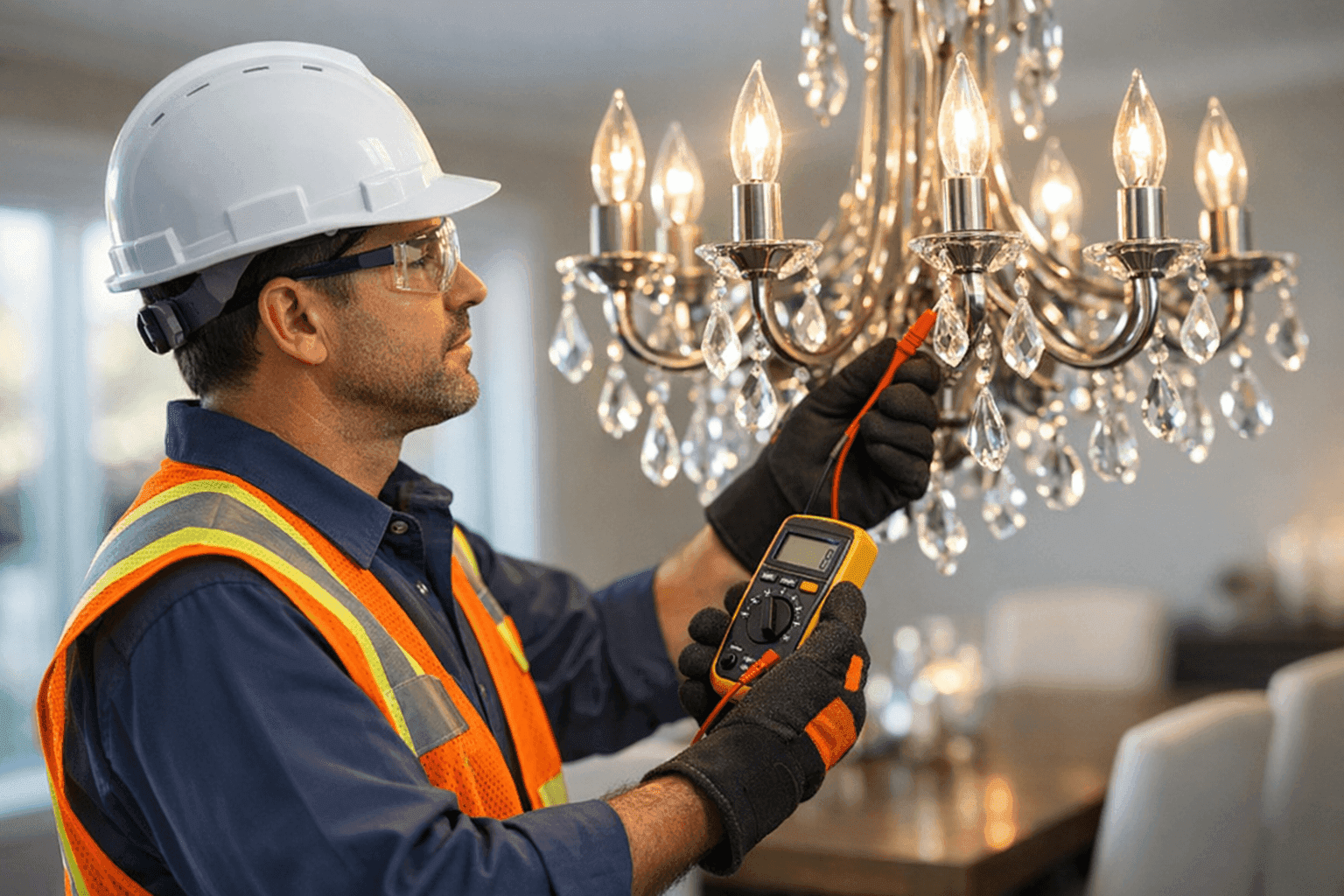
Have you ever noticed your lights flicker or dim for no obvious reason? It’s unsettling. One moment, everything is bright and normal—the next, your living room feels like a haunted house. At Lighteq Electric, we understand how quickly a simple annoyance can raise bigger questions about safety and comfort.
Lights that misbehave aren’t just a distraction. Sometimes, they’re a warning sign. Knowing what to look for could help you stay safe—or even prevent a bigger electrical issue before it starts.
Why Do Lights Flicker? ⚡
Flickering or dimming lights can feel like your home is trying to send you a message. Sometimes, it’s as harmless as a loose bulb. Other times, it’s more like a canary in the coal mine—hinting at deeper electrical issues.
The electrical system in your home is like the nervous system in your body. When things go wrong, the symptoms might seem small at first, but they can point to bigger problems underneath.
Common Causes of Flickering or Dimming Lights
Let’s break down the most common culprits:
- Loose or Faulty Bulbs: Sometimes it’s as simple as a bulb not screwed in tightly or one that’s reaching the end of its life.
- Faulty Switches or Dimmers: Worn-out switches can create inconsistent connections, leading to flickers.
- Wiring Issues: Damaged, aging, or improperly connected wires can cause intermittent power loss.
- Circuit Overload: Too many devices drawing power on a single circuit can cause lights to dim, especially when large appliances kick on.
- Panel or Breaker Problems: Faulty breakers or a worn panel can create irregular electrical flow.
- Voltage Fluctuations: Fluctuations in the supply voltage—often from outside your home—can cause lights to act up.
Quick Safety Checklist Before You Start
Before you roll up your sleeves, keep safety in mind:
- Turn off the affected light or device at the switch.
- Never touch wires or connections with wet hands.
- If you smell burning or see scorch marks, skip DIY—call an electrician immediately.
- Don’t use aluminum ladders near electric fixtures.
Remember: What looks simple may hide real hazards. Always follow the Australian/New Zealand Electrical Codes (AS/NZS 3000) for safe practices at home.
Troubleshooting Steps You Can Try
Some flickering problems have simple solutions. Try these steps before calling in the professionals:
- Check and Tighten Bulbs: Switch off the light, let it cool, and make sure the bulb is screwed in firmly.
- Swap Bulbs: Replace the flickering bulb with a new one (preferably LED for efficiency).
- Inspect the Switch: Wiggle the wall switch gently—if the light flickers, the switch may be faulty and needs replacement.
- Check Other Outlets: Plug another device into a nearby outlet. If it also flickers or dims, the issue could be at the circuit level.
- Reduce Load: Unplug high-wattage appliances sharing the same circuit to see if the flickering improves.
If none of these steps make a difference, the issue may be hidden deeper in your electrical system.
When to Call a Pro
Not all fixes are safe to DIY. Here’s when to call a licensed electrician:
- Flickering affects multiple rooms or your entire house.
- Lights dim when you turn on appliances like air conditioners or pool pumps.
- There’s a buzzing noise, burning smell, or heat at switches or outlets.
- You see sparks or scorch marks.
- The problem is persistent or unpredictable.
Our electricians at Lighteq Electric use advanced diagnostic tools to pinpoint the issue quickly and resolve it safely. Sometimes, what looks like a minor annoyance is really a sign that your home needs urgent attention—especially with wiring, circuits, or panels.
The Role of Modern Lighting and Home Automation
Upgrading to modern LED lighting or installing smart controls can improve stability and prevent flickers. However, poor installation or incompatible dimmer switches can cause even new lights to act up. If you’re planning a lighting upgrade or want to add automation, consult a specialist for proper lighting and wiring-and-circuits solutions.
How Electrical Load Impacts Your Lights
Think of your home’s electrical circuits like water pipes. If too many taps are on at once, pressure drops. Similarly, when you run several large appliances, the electrical “pressure” (voltage) can dip, causing lights to dim. Spreading out appliance use or upgrading your wiring can help.
Signs That Trouble May Be Lurking
Watch for these red flags:
- Flickering increases over time.
- Lights dim in sync with appliance use.
- Certain rooms or areas are affected, not just one fixture.
- You’ve recently had water damage or rodent issues (which can affect wiring).
Don’t ignore these signs. They often mean the problem goes beyond a loose bulb.
DIY vs. Professional Help—Knowing Where the Line Is
Changing a bulb or checking a switch? Reasonable for most homeowners. But digging into wiring, breaker panels, or outlets is a different story. Electrical systems are complex and dangerous. A qualified electrician brings both the right tools and the know-how to fix the issue without risk.
What to Expect When the Pros Arrive
When you call Lighteq Electric, our team will:
- Listen to your symptoms and timeline.
- Inspect fixtures, switches, and outlets for visible signs of trouble.
- Use voltage testers and circuit tracers to identify hidden faults.
- Check your panel and breakers for signs of wear or overheating.
- Provide safe, code-compliant repairs that address both the symptom and the root cause.
Our advanced diagnostics mean we don’t just put a band-aid on the issue—we solve it for good.
Prevention & Maintenance Tips
- Use quality bulbs and switches.
- Avoid overloading circuits—especially in kitchens, bathrooms, and outdoor spaces.
- Schedule regular electrical safety inspections for your home.
- Upgrade old wiring, especially if your house is more than 30 years old.
- Install surge protection to safeguard against voltage spikes.
Prevention is always less costly (and less stressful) than emergency repairs.
Common Mistakes to Avoid
- Ignoring persistent flickering or dimming.
- Using the wrong wattage bulbs.
- Attempting DIY repairs beyond your comfort or knowledge level.
- Overloading extension cords or power strips.
- Delaying repairs after water damage or renovations.
These mistakes can turn small problems into dangerous ones.
Costs & Time Factors
Simple fixes—like changing bulbs or switches—are quick and affordable. More complex issues, such as rewiring or panel upgrades, take longer and require professional expertise. Most diagnostic visits can pinpoint the issue within an hour, and clear explanations are part of the service.
When Is Flickering an Emergency?
Call for emergency electrical service if you notice:
- Burning smells or visible smoke.
- Sparking from outlets or fixtures.
- Total power loss in critical areas (kitchen, bathroom, medical devices).
- Water exposure to wiring.
Your safety comes first. Don’t wait—address these issues immediately.
Seasonal and Environmental Considerations
Storms, humidity, and temperature swings can all affect your electrical system. Pool & Spa Electrical near you may be especially vulnerable after heavy rain, and winter heating loads put extra stress on older wiring. Schedule seasonal safety checks to stay ahead.
Frequently Asked Questions
Are flickering lights dangerous?
They can be. While some causes are harmless, others signal serious electrical hazards.
Can I fix flickering lights myself?
You can try changing the bulb or tightening connections at the switch, but deeper issues require a licensed electrician.
How do I know if I need rewiring?
If your home is older, has persistent flickering, or you see signs of wear at outlets and switches, professional assessment is recommended.
Where can I find reliable electrician services?
For dependable Fault Finding and Wiring & Circuits assistance, Lighteq Electric is ready to help.
Final Thoughts
Flickering or dimming lights shouldn’t be ignored. Sometimes the fix is simple. Other times, it’s a signal that your home’s electrical system needs attention. At Lighteq Electric, our electricians are trained, equipped, and ready to restore both your peace of mind and your home’s comfort.
Call Lighteq Electric now — or reach us anytime at 855-552-3493 .