How to Troubleshoot and Repair Home Electrical Panels Safely
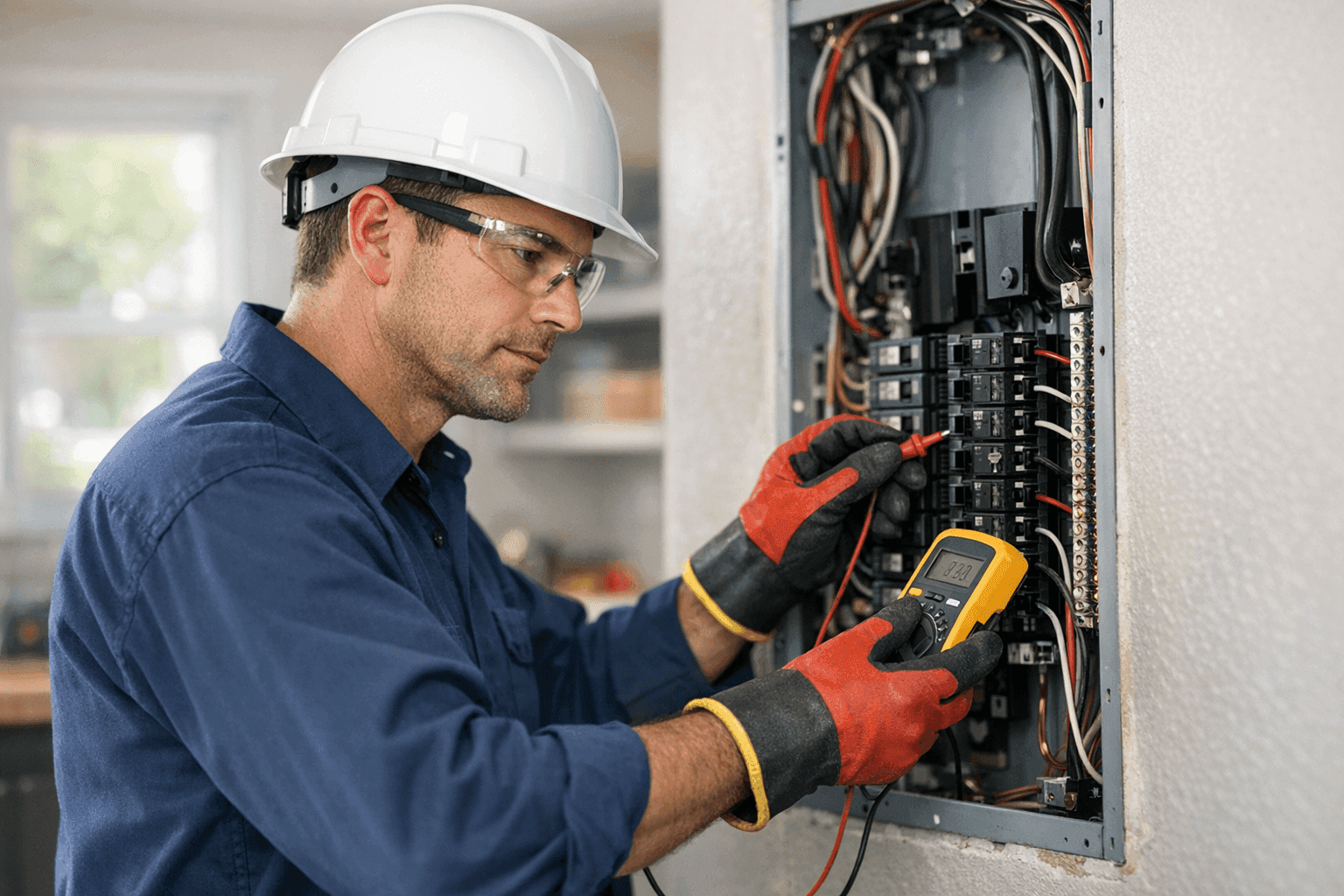
Does your house lose power suddenly? Do lights flicker, outlets buzz, or breakers trip for no reason? If so, your electrical panel could be calling for help—loud and clear. At Lighteq Electric, we know that a faulty breaker panel isn’t just an inconvenience. It’s like a car engine stalling in traffic—risky and unpredictable. For families and homeowners, safety always comes first.
This guide will walk you through the causes, quick safety checks, and smart steps you can take before calling in a certified electrician. When it comes to electrical panel repairs, it's about knowing your limits, spotting trouble early, and making safety the top priority.
Why Panels Fail: The Hidden Culprits ⚡
Electric panels—the heart of your home's electrical system—can wear out just like any appliance. But unlike a noisy fridge, a failing panel can be silent and dangerous. Here’s why panels often give out:
- Age and Wear: Most panels last 25–40 years. Corrosion, dust, and heat slowly eat away at connections.
- Overloading: Adding new appliances or circuits without upgrading the panel is like stuffing too much into a backpack—something will snap.
- Loose Connections: Screws and wires can loosen over time, causing arcing (tiny sparks) inside the panel.
- Water Damage: A leaky basement or roof can let moisture creep in, corroding metal parts and creating short circuits.
- Incompatible Breakers: Swapping out breakers with the wrong type or brand can lead to overheating or failure.
According to the National Fire Protection Association (NFPA), electrical failures are a leading cause of home fires. That’s why regular checks and timely repairs are critical.
Quick Safety Checklist: Before You Open the Panel
Before you even touch your panel door, stop and check these basics:
- Are your hands dry? Water and electricity never mix.
- Are you wearing rubber-soled shoes and standing on a dry surface?
- Is the area free of clutter, water leaks, or flammable materials?
- Do you have a flashlight handy in case the power goes out mid-inspection?
- If the panel smells burnt or is hot to the touch—stop. Call a professional immediately.
Remember, an electrical panel isn’t like a kitchen drawer. There’s real risk behind that metal door.
Signs of Trouble: What to Watch For
Electrical panels rarely fail without warning. Here are the most common red flags:
- Breakers trip repeatedly, even after resetting.
- You hear sizzling, buzzing, or popping sounds.
- Lights flicker or dim when appliances turn on.
- Burn marks, melted insulation, or that telltale burnt plastic smell.
- Rust, corrosion, or visible water stains in or around the panel.
If you see or smell any of these, your panel may be crying out for urgent repairs.
Troubleshooting Steps: Simple, Safe, and Systematic
If it’s safe (and you’re comfortable), you can perform a few troubleshooting steps. Think of it as checking your car’s oil before heading to the mechanic:
- Turn Off All Electronics: Shut down sensitive devices like computers, TVs, and gaming systems.
- Open the Panel Door: Stand to the side—never directly in front—just in case.
- Check for Tripped Breakers: Look for switches in the middle position. Firmly flip them off, then back on.
- Inspect for Obvious Damage: Scorch marks, loose wires, or visible corrosion mean it’s time to call a professional.
- Smell Test: Any burning smell? Close the panel and back away.
Never remove the panel cover or touch wiring inside—leave that to a licensed electrician.
Common Repairs: What Usually Goes Wrong
Some electrical panel issues are simple fixes. Others hint at deeper problems. Here’s what Lighteq Electric sees most often:
- Resetting Tripped Breakers: Sometimes a one-time power surge trips a breaker. Resetting is safe if it doesn’t repeat.
- Replacing Faulty Breakers: Breakers can wear out just like light bulbs. Swapping a breaker (with the correct model) is a standard repair.
- Tightening Connections: Loose screws or terminals can be safely tightened by a qualified electrician.
- Upgrading the Panel: If your home has more devices than your panel was designed for, an upgrade or new sub-panel may be needed.
For any work beyond flipping a breaker, always call a licensed professional—your safety is worth far more than a DIY gamble.
DIY vs. Call a Pro: Knowing Your Limits
It’s tempting to fix everything yourself, but with electrical panels, the risks are real. Here’s when you can act, and when you should call in help:
Safe for DIY:
- Resetting a clearly tripped breaker
- Checking for loose appliances that could be overloading a circuit
Call a Pro If:
- Breakers trip with nothing plugged in
- You see, hear, or smell anything unusual
- The panel is warm, sparking, or humming
- You’re unsure or not comfortable with the task
A licensed electrician from Lighteq Electric has the tools, training, and certification to fix panels safely. In many areas, code requires a permit and inspection for panel work.
What Pros Do on Arrival
When you call an electrician for panel repair or inspection, here’s what to expect:
- They’ll do a visual inspection for damage, corrosion, and code violations.
- Electrical safety tests, including voltage and continuity checks.
- Tighten or replace loose/burnt connections and breakers.
- Provide a written report and explain any recommended repairs or upgrades.
- Follow local and NEC (National Electrical Code) guidelines for every step.
This professional process ensures your family and home stay protected long after the electrician leaves.
Prevention & Maintenance: Keeping Panels Healthy 🛠️
Just like a car tune-up, regular panel maintenance keeps things running right:
- Annual Electrical Safety Inspections: Schedule with a certified electrician.
- Keep the Area Dry: Fix leaks and avoid storing liquids near your panel.
- Don’t Overload Circuits: Spread out high-wattage devices.
- Label Your Breakers: So you know what controls what—no guesswork in emergencies.
For homeowners looking for “Pool & Spa Electrical near you” or general Electrical Safety Inspections, these simple steps can help prevent future headaches.
Costs & Time Factors: What to Expect
Panel repairs range from a quick breaker replacement (about 30 minutes) to a full upgrade, which can take several hours. Costs vary depending on the job:
- Breaker replacement: Usually affordable, especially with the right part on hand.
- Panel upgrades: More expensive, but necessary for older homes or major renovations.
- Emergency service: May cost more after hours, but safety can’t wait.
Always request a written estimate before work begins.
When It’s an Emergency: Don’t Wait
Some situations demand immediate action:
- Smoke, flames, or sparking from the panel
- Water leaking into or around the panel
- Total loss of power with no obvious cause
These are true emergencies—call Lighteq Electric 24/7 for immediate help. Do not attempt repairs under these conditions.
Timeline & Disruption: What Homeowners Should Plan For
Most panel repairs are straightforward. However, a full replacement can take half a day or more, depending on your home’s wiring and accessibility. Power may be interrupted during work. Plan ahead for fridge, freezer, and medical device needs.
Seasonal Considerations: Weather and Your Panel
Winter storms, summer heat, and heavy rain all test your electrical system. Moisture and freezing can worsen hidden panel issues. If you notice problems during storms or after a cold snap, schedule an inspection as soon as possible.
Common Mistakes: What Not to Do
- Never tape a breaker in the “on” position.
- Don’t swap breakers for a different brand or size.
- Avoid “DIY rewiring” without proper training.
- Don’t ignore flickering lights—this can be a warning sign.
These shortcuts can cause fires or void your home insurance.
Frequently Asked Questions
Q: How do I know if my panel is outdated?
A: If your panel is more than 30 years old, or you still have fuses instead of breakers, it’s time to call in an electrician.
Q: Can I add more breakers myself?
A: Only if you’re licensed and understand local code. Otherwise, it’s best left to a professional.
Q: What’s the difference between a breaker and a fuse?
A: Breakers can be reset after a trip; fuses must be replaced. Modern panels use breakers for safety and convenience.
Materials & Equipment: What the Pros Use
Certified electricians use insulated tools, voltage testers, and safety gear—including gloves and eye protection. All repairs are done to NEC and local code. Homeowners should never use makeshift tools or attempt wiring changes.
Why Choose Certified Panel Repair from Lighteq Electric
Panel repair isn’t just about flipping switches. It’s about keeping your family, home, and peace of mind safe. Our team is trained, certified, and committed to following every safety guideline.
Looking for a trusted electrician company? Lighteq Electric serves the community with certified panel repair, safety inspections, and more. If you’re in the area, check our Panels & Breakers page for more details.
Ready for Safe, Reliable Power?
Don’t leave your home’s safety to chance. If you’ve spotted any of these warning signs, or just want peace of mind, schedule a professional inspection or repair. Lighteq Electric is here when you need us—day or night.
Call Lighteq Electric now — or reach us anytime at 855-552-3493 .