How to Troubleshoot and Repair Home Wiring Issues Safely
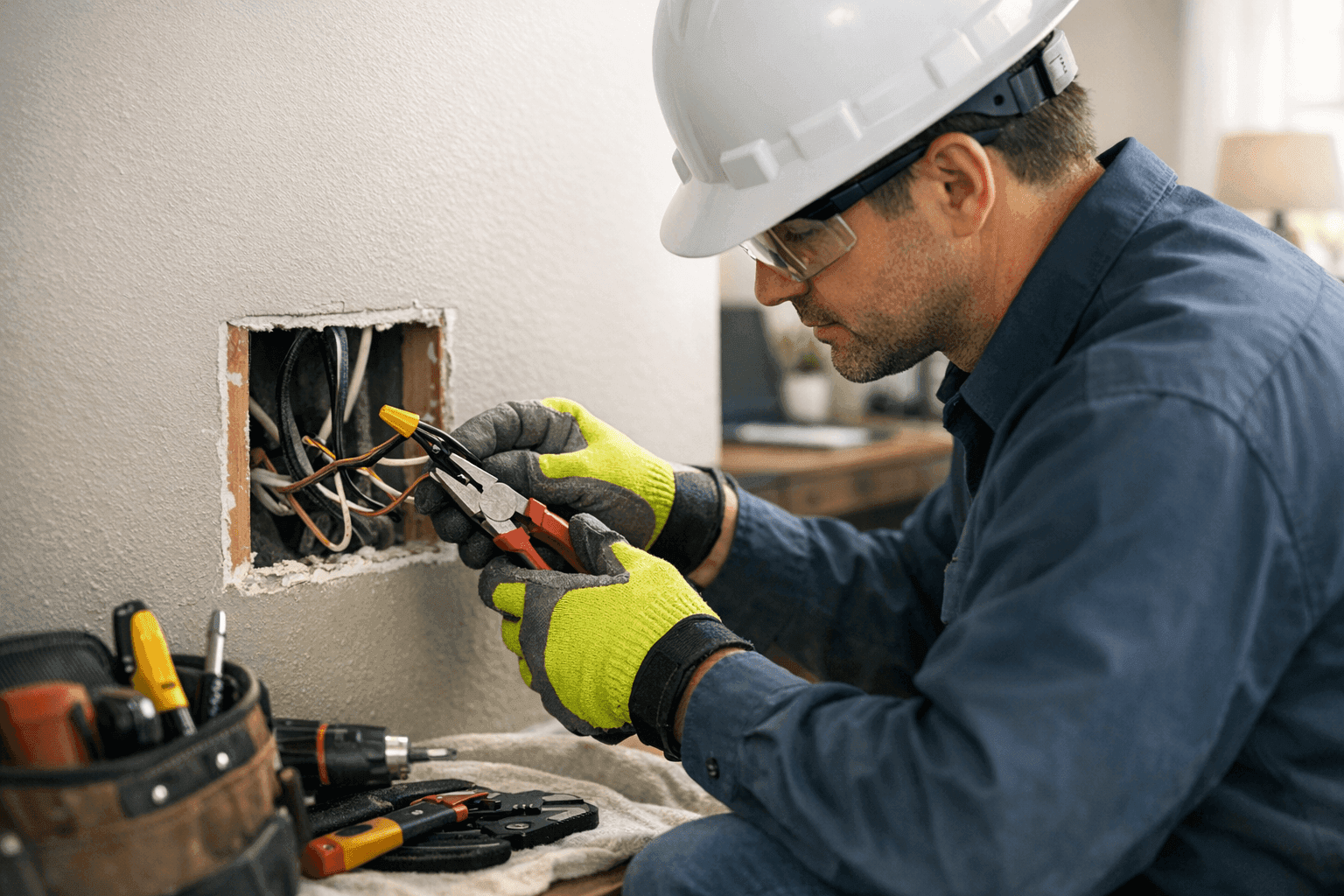
Your home’s wiring is like its central nervous system—hidden behind walls, powering your everyday life. When something goes wrong, it isn’t just an inconvenience. It can be a real safety concern.
At Lighteq Electric, we know how overwhelming it feels to spot flickering lights or smell something burning from an outlet. Our licensed electricians treat every call with care, putting your family’s safety first. Let’s walk through the signs, steps, and safe solutions for common home wiring problems.
Why Wiring Fails
Wiring doesn’t last forever. Just like roads crack or pipes rust, wires can wear down over time. Here’s why trouble might strike:
- Age: Older homes may have wiring that’s decades out of date.
- Rodents: Mice and squirrels sometimes chew insulation, exposing live wires.
- Moisture: Dampness in basements, bathrooms, or kitchens can corrode connections.
- Overloading: Plugging too many devices into one outlet heats up wires.
- DIY Modifications: Unskilled repairs often skip vital safety steps.
- Physical Damage: Moving furniture or drilling into walls can nick or crush a wire.
Sometimes, the first sign is subtle—a breaker that trips now and then, a light that’s dimmer than usual, or a switch that feels warm. Other times, it’s dramatic: sparks, smoke, or a burning smell.
Quick Safety Checklist ⚡
Before you do anything, pause. Electricity is powerful. Use this safety checklist:
- Turn off power at the breaker panel for the affected area.
- Test outlets or switches with a non-contact voltage tester.
- Never touch wires with wet hands or while standing on a damp floor.
- Wear rubber-soled shoes and avoid metal jewelry.
- If you smell burning or see smoke, evacuate and call emergency services.
The National Fire Protection Association (NFPA) emphasizes that faulty wiring is a leading cause of house fires. Always put safety above speed.
Signs Your Home Has a Wiring Issue
Not sure if your wiring needs attention? Watch for these warning signs:
- Frequent tripped breakers or blown fuses
- Outlets or switches that are hot, buzzing, or sparking
- Flickering or dimming lights, especially when using appliances
- Burning smells coming from outlets or behind walls
- Discolored or scorched outlets and switch plates
If you notice any of these, it’s time to take action.
Troubleshooting Steps: Where to Begin
Finding the source isn’t magic—it’s methodical. Here’s a safe approach:
- Identify the Problem Area: Is it one room or the whole house? Are multiple outlets affected?
- Check the Breaker Panel: See if any breakers are tripped. Reset them only once; repeated tripping means a deeper issue.
- Test Outlets and Switches: Use a voltage tester. No reading? The circuit may be dead.
- Inspect for Physical Damage: Look for visible signs—cracks, scorch marks, or frayed wires in accessible areas.
- Unplug Devices: Remove all devices from the affected outlets. Sometimes a faulty appliance causes the issue.
Remember, patience pays off. Rushing risks missing the real problem.
DIY vs. Calling a Pro
Some issues are safe to tackle. Others demand an electrician’s hand. Here’s how to tell:
Safe to DIY:
- Resetting a tripped breaker
- Replacing a damaged outlet cover (not the outlet itself)
- Changing lightbulbs
Call a Licensed Electrician:
- Replacing outlets, switches, or wiring
- Dealing with persistent breaker trips
- Discovering burnt smells, smoke, or sparks
- Upgrading circuits or adding new lines
If you’re ever in doubt, err on the side of caution. The cost of a mistake can be much higher than a service call.
Safe Repair Methods
If you’re confident and the issue is minor, follow these tips:
- Turn Off Power: Always shut off the correct breaker. Use a tester to confirm.
- Use Quality Materials: Only install components rated for your home’s voltage and amperage.
- Follow Codes: The National Electrical Code (NEC) sets clear rules. Don’t skip them.
- Label Everything: Mark wires and breakers as you go. It’ll save headaches later.
- Never Patch With Tape Alone: Temporary fixes can lead to future hazards.
For anything more complex than swapping a switch plate, contact a professional. Lighteq Electric’s team is trained in safe, code-compliant methods.
What Electricians Do on Arrival
When you call in a licensed electrician, here’s what to expect:
- Assessment: We ask questions about the problem and inspect the affected area.
- Testing: Using calibrated tools, we test voltage, continuity, and load.
- Diagnosis: We trace circuits and pinpoint the issue, whether it’s a loose connection or faulty device.
- Repair: All work is done to code, with the right parts and safety checks.
- Explanation: You’ll get a clear summary of what was fixed and recommendations for future safety.
Our team arrives ready for anything, from a simple outlet swap to full wiring-and-circuits upgrades.
Common Mistakes Homeowners Make
A little knowledge can be dangerous. Here are pitfalls to avoid:
- Mixing Up Wires: Getting line and neutral crossed can short circuits or cause shocks.
- Using the Wrong Parts: Not all outlets or switches are rated for every application.
- Ignoring Warning Signs: Powering through flickers or breaker trips can mask bigger issues.
- Overloading Circuits: Daisy-chaining power strips or plugging heavy appliances into weak outlets risks overheating.
- Skipping Permits: Most local codes require sign-off for major electrical work.
If you’re unsure, don’t guess—reach out for help.
When It’s an Emergency 🚨
Don’t hesitate when safety’s on the line. Call for emergency service if:
- You see smoke or flames from outlets or walls.
- There’s a persistent burning smell.
- Water comes into contact with wiring.
- An entire section of your home loses power unexpectedly.
Lighteq Electric offers 24-hour service. Fast action can prevent damage and save lives.
Prevention & Maintenance Tips
Staying ahead of wiring issues means fewer surprises. Here’s how:
- Schedule Regular Inspections: Especially in homes over 20 years old.
- Replace Damaged Outlets: If you see cracks or discoloration, swap them out.
- Don’t Overload Circuits: Spread out devices, especially high-wattage appliances.
- Use Surge Protectors: Protect sensitive electronics during storms.
- Watch for Rodent Activity: Seal up entry points and inspect attics/basements.
A yearly checkup by a licensed electrician keeps your home’s electrical system in top shape.
Seasonal Considerations
Changes in weather can bring new risks:
- Winter: Portable heaters and holiday lights stress circuits.
- Spring: Basement flooding exposes wiring to moisture.
- Summer: Air conditioners and pool equipment add heavy loads.
- Fall: Leaves and debris can block exterior vents and outlets.
Adjust your usage and schedule maintenance with each season.
Wiring Repair Costs & Time Factors
Every job is different. Simple fixes—like swapping a faulty outlet—might take under an hour. Rewiring a room or tracing hidden faults can take several hours or more.
Costs depend on parts, labor, and the extent of the issue. While DIY repairs seem cheaper, mistakes often lead to pricier repairs down the line. Always factor in safety and code compliance.
Timeline & Disruption: What to Expect
Most minor repairs cause little disruption. Larger jobs—like rewiring or panel upgrades—might require turning off power in certain areas for a few hours.
Our electricians work efficiently to minimize downtime. We’ll let you know what to expect every step of the way.
Materials & Equipment Pros Use
Licensed electricians rely on professional tools and materials:
- Voltage testers and circuit tracers
- Quality outlets, switches, and wiring rated for your home
- GFCI and AFCI outlets for enhanced safety
- Code-compliant junction boxes and fasteners
Cutting corners with cheap materials can compromise safety and reliability.
FAQ: Home Wiring Issues
Q: How often should I have my wiring inspected?
A: The Electrical Safety Foundation International (ESFI) recommends inspections every 10 years, or when buying/selling a home.
Q: Is aluminum wiring safe?
A: Aluminum wiring, common in some older homes, can pose risks if not properly maintained. Ask an electrician to check connections.
Q: Can I use extension cords as a permanent fix?
A: No—extension cords are for temporary use only. Permanent wiring should always be installed to code.
Knowing When to Call a Pro
If you’re ever unsure, or if a problem keeps coming back, call a licensed electrician. Your safety—and your home’s future—depend on it.
For homeowners looking for an electrician company with a focus on safe, code-compliant repairs, Lighteq Electric is ready to help.
Final Thoughts: Safety First
Your home should be a place of comfort—not worry. Addressing wiring issues quickly, safely, and professionally keeps your family protected and your home running smoothly.
Call Lighteq Electric now — or reach us anytime at 855-552-3493 .