How to Troubleshoot and Repair Light Switches That Don’t Work
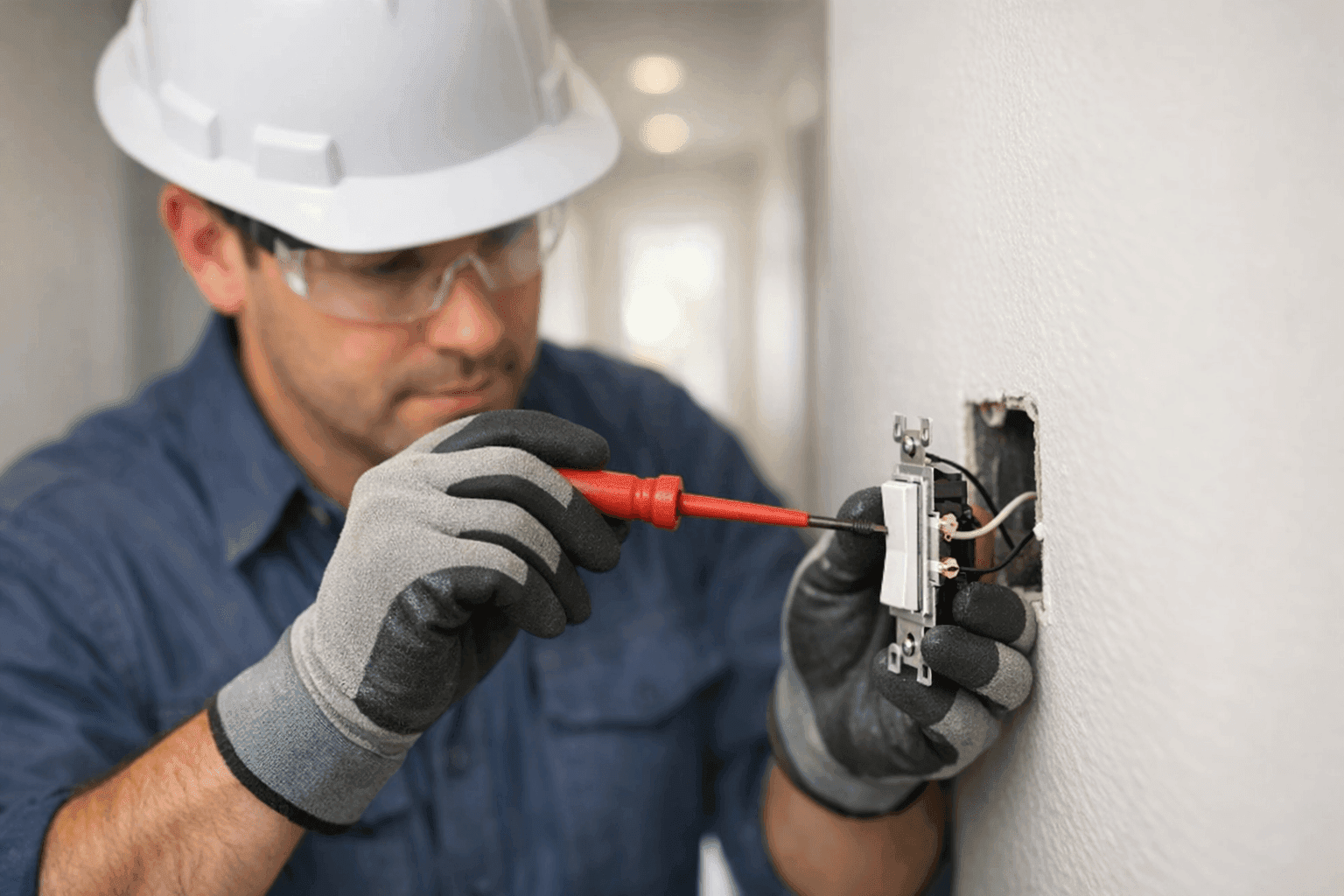
Ever had that moment where you flip a switch and… nothing? The room stays dark. You tap it a few more times, maybe wiggle the toggle, but still no light. It’s frustrating—and sometimes a little worrying. At Lighteq Electric, we know these little annoyances can quickly turn into bigger headaches if ignored.
Light switches are the unsung heroes of your home. When they fail, life slows down. Here’s how to spot what’s gone wrong, what you can try yourself, and when it’s time to call a skilled electrician.
Why Switches Fail 🛑
Light switches aren’t magic—they’re simple devices. But even simple things can go wrong. Here’s why your switch might be letting you down:
- Wear and Tear: Years of flicking on and off can loosen internal parts.
- Loose Wiring: Connections inside the box may wiggle free over time.
- Overloaded Circuits: Too many devices on one circuit can cause overheating.
- Faulty Installations: DIY jobs or rushed installs sometimes leave poor connections.
- Moisture or Corrosion: Bathrooms and kitchens are especially tough on switches.
- Aging Switches: Like an old pair of sneakers, switches just wear out.
If you’re seeing sparks, feeling heat, or smelling something odd, stop and turn off the power at the breaker. These are warning signs you shouldn’t ignore.
Quick Safety Checklist Before You Begin
Electricity is powerful—never underestimate it. Before poking around, keep these safety steps in mind:
- Turn Off Power: Find your breaker panel and switch off the right circuit.
- Test First: Use a voltage tester to double-check that the power is off.
- Dry Hands: Water and electricity don’t mix.
- Clear the Area: Keep kids and pets away.
- Work in Good Light: Use a flashlight or work lamp if needed.
If any of these steps feel risky or confusing, stop and call an electrician instead.
Signs Your Light Switch Needs Attention
How do you know if the switch itself is the problem? Watch for these:
- No response: The light doesn’t turn on or off.
- Buzzing or humming: Strange noises mean trouble.
- Warm to the touch: Heat is a danger sign.
- Flickering lights: Not always the bulb’s fault.
- Sparks or burning smell: Time to stop and call for help.
Troubleshooting Steps
If you’re comfortable and have double-checked that the power is off, try these steps:
1. Remove the Cover Plate
Gently unscrew the switch cover. Set it aside with the screws.
2. Inspect for Obvious Damage
Look for scorch marks, melted plastic, or loose wires. Any visible damage? The switch needs replacement.
3. Test the Switch
Use a continuity tester or multimeter. With the switch removed and disconnected, check if electricity flows when the switch is flipped. No continuity means the switch is dead.
4. Check the Wiring
Are wires firmly attached to the terminals? Loose or corroded wires can cause failure. Tighten gently if needed.
5. Replace the Switch
If the switch is faulty, swap it with a new one of the same type and rating. Double-check local electrical codes or consult the National Electrical Code (NEC) for guidance.
6. Restore Power and Test
Replace the cover, turn the breaker back on, and test the switch. Still not working? The problem may run deeper—possibly in the wiring or at the light fixture.
Replacement Tips for Homeowners
Swapping out a basic switch is a doable task for many. Some pointers:
- Match Ratings: Use a switch with equal or greater amperage and voltage.
- Label Wires: Use painter’s tape to mark wire positions before disconnecting.
- Use Quality Parts: Cheap switches can mean future headaches.
- Don’t Force It: If wires don’t reach or fit neatly, call a pro.
Switches for dimmers, smart homes, or three-way circuits can get tricky—these are best left to professionals.
Wiring Safety Warnings ⚡
A loose wire can spark a fire. Over-tightened screws can cut through insulation. Here are must-follow rules:
- Never twist or tape wires together outside the box.
- Always use wire nuts or approved connectors.
- Don’t overload boxes with too many wires.
- Check for grounding: Green or bare copper wire should be attached to the green screw.
Read up on guidelines from the Electrical Safety Foundation International (ESFI) and your local codes.
DIY vs. Call a Pro
Changing a basic switch is a lot like changing a lightbulb. But if you:
- See melted wires or blackened areas
- Feel unsure about any step
- Have odd wiring, like multiple switches in one box
- Need Pool & Spa Electrical near you
- Are working with aluminum wiring (common in older homes)
…it’s time to call someone who does this every day. Electrical mistakes can be dangerous.
What a Licensed Electrician Does On Arrival
When you call Lighteq Electric, here’s what happens:
- We show up with the right tools.
- We check the switch, wiring, and circuit.
- We test for safe operation and compliance with current codes.
- We offer solutions that fit your budget and needs.
Plus, our electricians spot trouble you might miss—like hidden water damage or overloaded circuits.
Prevention & Maintenance
Good habits mean fewer headaches:
- Flip switches gently—no need to slam!
- Schedule regular Outlets & Switches.
- Upgrade old switches to modern, safer models.
- Ask about surge protectors or whole-home safety upgrades.
Common Mistakes to Avoid
- Forgetting to turn off the breaker. (We see this more than you’d think.)
- Mixing up wires, which can cause a short.
- Using the wrong type of switch for the job.
- Rushing—take your time or call for help.
Costs & Time Factors
Basic switch replacement is quick—usually under 30 minutes for a pro. If bigger wiring issues are hiding behind the wall, it may take longer or cost more.
DIY can save money, but only if you’re certain. Mistakes can cost much more down the line.
When It’s an Emergency 🚨
Call for immediate help if:
- You see smoke, hear popping, or smell burning.
- Lights or switches are hot to the touch.
- There’s water near electrical boxes.
Don’t wait—turn off power at the panel and call for emergency service.
Seasonal Considerations
Cold, damp weather can cause condensation inside boxes. Summer humidity can speed up corrosion. After a storm, always check for water leaks near switches.
Frequently Asked Questions
Q: Why did my switch suddenly stop working?
A: Age, wear, or a loose wire are the most common reasons.
Q: Is it safe to change a switch myself?
A: Only if you’re confident, follow safety rules, and the wiring looks standard.
Q: Do I need to replace old switches if they still work?
A: If they feel loose, buzz, or are discolored, it’s smart to upgrade for safety.
Q: Is it worth switching to smart switches?
A: Smart switches offer convenience and energy savings but require proper installation.
Timeline & Disruption
Most repairs or replacements are done with minimal mess. A neat, careful electrician can usually leave your walls and paint untouched. If you have older wiring or complex setups, it might take longer, but professionals keep disruption to a minimum.
Materials and Equipment Needed
- Flathead and Phillips screwdrivers
- Voltage tester or multimeter
- New switch (same type/rating as the old)
- Wire strippers
- Insulated gloves (recommended)
- Flashlight (just in case!)
How Lighteq Electric Can Help
When switches fail, you don’t have to guess. Our team handles everything from lighting problems to complete repairs, and we’re available 24/7. If you’re searching for an electrician company with experience in all types of switches and systems, including smart home upgrades, we’re ready—day or night.
Looking for reliable help in your area? For professional electrician services, including Lighting, Lighteq Electric is just a call away.
Call Lighteq Electric now — or reach us anytime at 855-552-3493 .