How to Troubleshoot and Repair Low Voltage Systems at Home
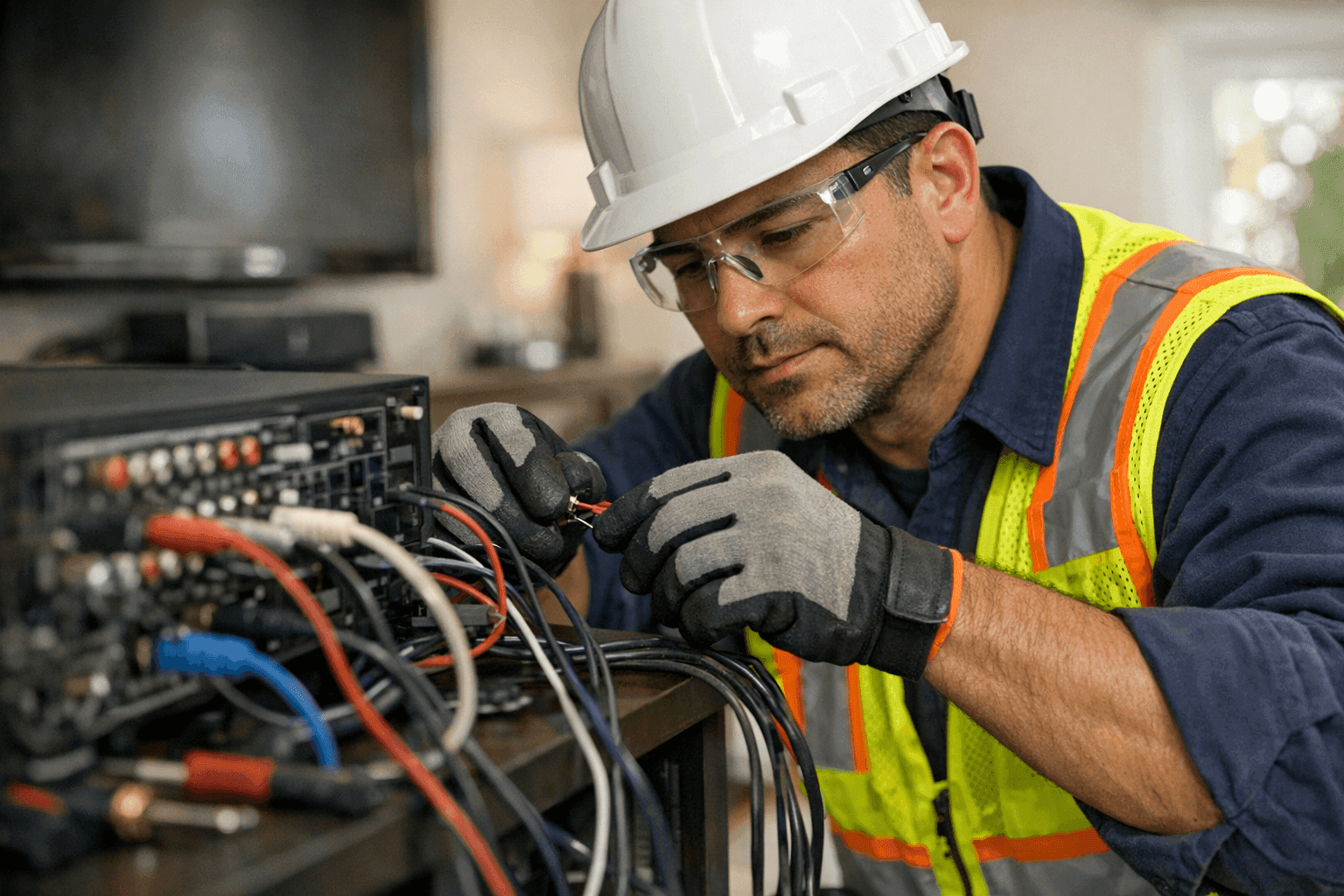
Keeping your home’s low voltage systems running smoothly is vital for comfort and safety. Flickering lights, unreliable smart devices, or a stubborn doorbell can quickly turn daily routines upside down. If you’ve ever wondered how to handle these issues—or when to call for help—you’re in the right place.
At Lighteq Electric, we handle everything from Pool & Spa Electrical to whole-home automation. Our team has seen nearly every low voltage problem out there, and we know how important it is to get it fixed—fast, and without needless risk.
What Is a Low Voltage System? ⚡
Low voltage systems are the hidden veins of your home. Think of them as the delicate wiring that carries important signals rather than heavy power. These systems run on 50 volts or less—much lower than your standard outlets.
Common low voltage systems include:
- Doorbells and intercoms
- Security cameras and alarms
- Thermostats
- Internet, phone, and data cabling
- Landscape and accent lighting
- Home theater and audio setups
Unlike your main electrical panel or high-powered appliances, these systems don’t pack a punch. But they’re still essential. If you’re not sure what’s considered low voltage, the National Electrical Code (NEC) is a great resource to double-check.
Common Home Problems With Low Voltage Systems
Low voltage issues rarely announce themselves with sparks or smoke. Instead, you might notice:
- Flickering or dimming lights
- Devices not powering on or disconnecting
- Intermittent Wi-Fi or phone dropouts
- Doorbells not ringing or security alerts failing
- Thermostats losing connection
Sometimes it feels like chasing a mischievous gremlin. The symptoms are subtle, but the frustrations are real.
Quick Safety Checklist Before You Start
Safety always comes first. Even with low voltage, a wrong move can cause a minor shock or damage expensive electronics.
- Turn off power: Use the breaker or unplug devices.
- Test for voltage: Always double-check with a voltage tester.
- Dry hands and clear area: Water and electricity never mix.
- Keep tools handy: Use insulated screwdrivers and pliers.
If you’re unsure, step back. It’s always better to pause and call an electrician than risk injury or further damage.
Should You DIY or Call a Pro?
DIY repairs can be rewarding but risky. If the fix is as simple as swapping a battery or resetting a breaker, go for it. But if you see:
- Melted wires
- Burnt smells
- Repeated failures after resets
- Confusing wiring bundles
It’s time to stop and contact Lighteq Electric’s low voltage specialists. Our team is equipped for safe, code-compliant repairs.
Signs Your Low Voltage System Needs Attention
Listen to your home. Warning signs include:
- Buzzing or humming sounds
- Frequent disconnects or outages
- Devices turning on and off randomly
- Warm or discolored wall plates
These are the red flags that something’s not right behind the scenes.
Troubleshooting Steps for Homeowners
Ready to roll up your sleeves? Here’s a step-by-step guide:
- Identify the problem: Is it one device or multiple?
- Check power sources: Batteries, plugs, and breakers—start simple.
- Inspect connections: Loose wires are often the culprit.
- Replace fuses or batteries: Easy fixes that solve many headaches.
- Test with another device: Swap in a working component to confirm it’s not the device itself.
- Reset smart systems: Sometimes all it takes is a reboot.
If none of these solve the issue, document what you tried. This info helps your electrician pinpoint the problem faster.
What to Expect: When Pros Arrive
When you call for help, here’s what our electricians do:
- Conduct a thorough visual inspection
- Test with professional-grade meters
- Isolate the problem circuit
- Check for code violations or unsafe wiring
- Repair or replace faulty parts with high-quality materials
We always follow NEC and local building codes, ensuring repairs are safe and long-lasting.
Repair and Testing: Doing It Right
Proper repairs start with the right tools and patience. For most homeowners, this means:
- Using UL-listed replacement parts
- Double-checking connections before powering up
- Labeling wires if removing more than one
- Testing the system after each fix
If the repair involves splicing wires or accessing junction boxes, it’s best left to a licensed electrician.
When It’s an Emergency
Some issues can’t wait. Call for emergency service if:
- There’s a burning smell or visible smoke
- Systems critical for safety (like smoke detectors) fail
- Wiring is exposed or sparking
Lighteq Electric offers 24 hour service because electrical problems don’t stick to business hours.
Prevention & Maintenance Tips
A little care goes a long way:
- Schedule annual electrical safety inspections
- Keep wiring away from pets and pests
- Replace aging devices every few years
- Label circuits and keep breaker boxes clear
Routine checkups—think of them like an annual health exam for your home—can detect problems before they escalate.
Costs & Time Factors
Low voltage repairs are often less expensive than high-voltage work, but costs vary. Simple fixes (like swapping a faulty outlet) are quick. Rewiring or replacing system components takes longer and may require parts.
Expect some disruption if walls or ceilings need access. Our team always aims to keep things tidy and minimize downtime.
Common Mistakes Homeowners Make
We see these pitfalls often:
- Skipping the power-off step
- Mixing up wire connections
- Using the wrong replacement parts
- Overlooking grounding requirements
Mistakes can lead to bigger problems—or void warranties. If you’re unsure, it’s worth a call to a professional.
Materials and Equipment: The Basics
A basic toolkit for low voltage work includes:
- Insulated screwdrivers
- Wire strippers and cutters
- Electrical tape and connectors
- Voltage tester (non-contact preferred)
- Spare batteries and fuses
Quality tools make the job safer and smoother.
Seasonal Considerations
Storms and humidity can impact low voltage systems. After severe weather, check outdoor lighting, pool equipment, and any system exposed to the elements. Moisture and corrosion are common culprits behind sudden failures.
FAQ: Low Voltage Edition
Q: Are low voltage systems safer than high voltage?
A: Generally, yes—but they still require caution. Faulty wiring can cause fire or damage devices.
Q: Can I upgrade my low voltage lighting myself?
A: Swapping bulbs is usually safe, but rewiring or installing new circuits should be left to an electrician.
Q: How often should I have my system inspected?
A: Once a year is a good rule of thumb. More often for older homes or if you experience repeated issues.
Timeline and Disruption: What to Expect
Most low voltage repairs are quick—a matter of hours, not days. Larger projects (like full home rewiring or installing new smart home systems) take longer. We always aim to keep your home livable and work with your schedule.
Prevention Is The Best Policy
Stay ahead of trouble with regular lighting and repairs checkups. Addressing small issues now can prevent bigger headaches later.
If you’re in the area and searching for a reliable electrician company, see what Lighteq Electric can do for you in our Lighting service area.
Ready for Safe, Smooth Low Voltage Systems?
Don’t let small electrical issues become big problems. Whether you need a quick fix or a full system upgrade, Lighteq Electric is here to help.
Call Lighteq Electric now — or reach us anytime at 855-552-3493 .