Understanding Electrical Load Calculations for Homeowners
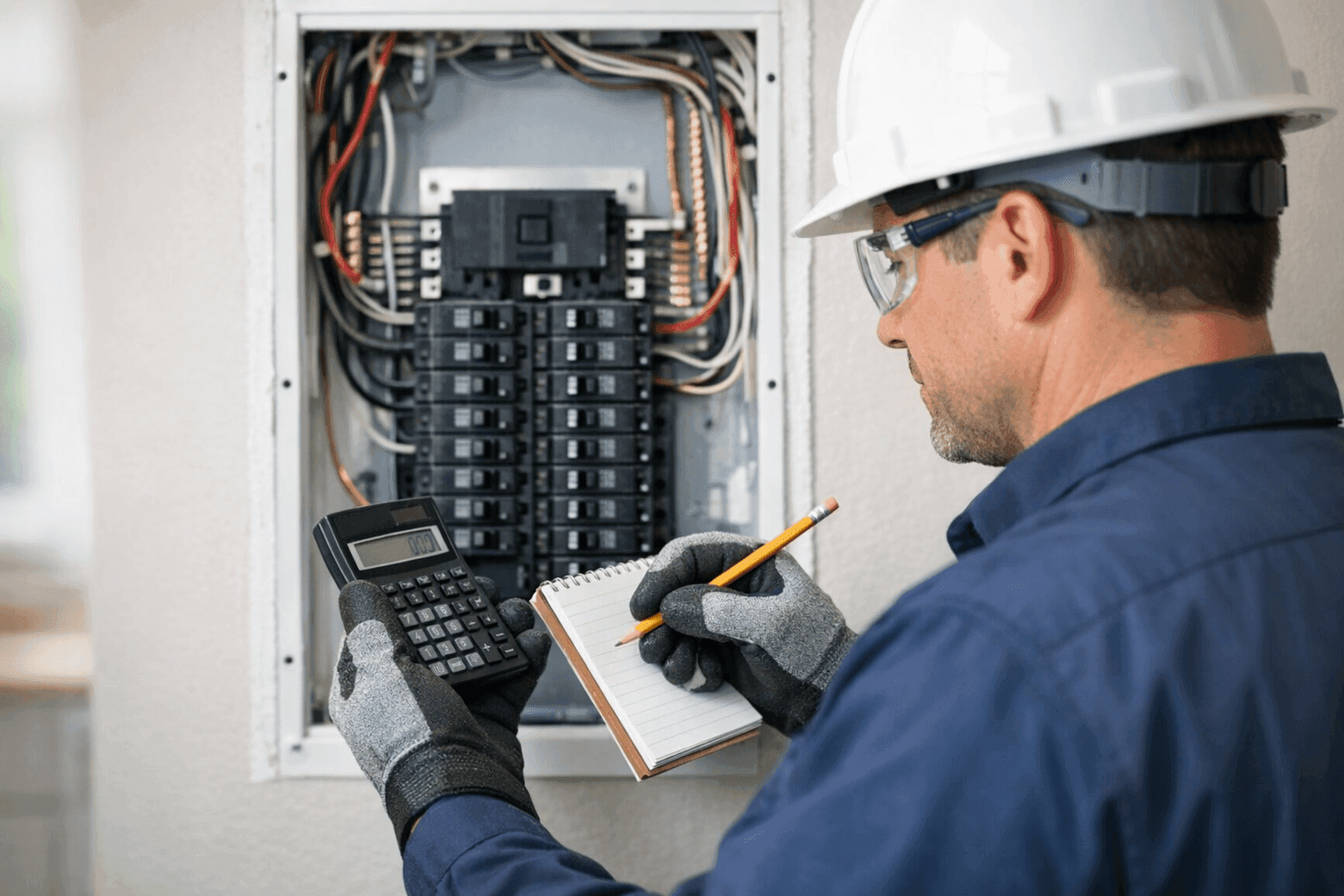
Every homeowner wants a safe, reliable home. But when it comes to electricity, peace of mind starts with understanding what’s happening behind your walls. Overloaded circuits, flickering lights, or tripped breakers can spell trouble—and sometimes, danger. You don’t need to be an expert to protect your home, but knowing the basics of electrical load calculations can make all the difference.
At Lighteq Electric, we help homeowners across the region make smart choices about their electrical systems. Whether you’re adding a pool, planning a renovation, or just want to keep your family safe, load calculations are the backbone of every good electrical design.
What Is Electrical Load? ⚡
Think of electricity as water flowing through pipes. The “load” is how much water your whole house is using at one time. In electrical terms, load means the total amount of power (in watts or amps) your home’s devices and appliances draw from the system.
Every light bulb, ceiling fan, refrigerator, and phone charger adds to the total. When you run too many things at once—or add new features without checking your capacity—those pipes can get overwhelmed. That’s when problems start.
Why Electrical Load Matters
Ignoring electrical load is a bit like ignoring the gas gauge in your car. Sooner or later, you’ll run out—or break something. Overloaded systems can cause:
- Tripped breakers or blown fuses
- Overheated wiring (a serious fire risk)
- Damage to appliances and electronics
- Costly repairs or unsafe conditions
Proper load calculations keep everything running smoothly. They’re essential for Pool & Spa Electrical, home additions, and even new kitchen gadgets.
How to Calculate Your Home’s Electrical Load
You don’t need advanced math. Just a bit of patience and attention to detail.
Step 1: List Your Loads
Start with the big-ticket items: air conditioning, electric stoves, water heaters, pool pumps, and EV chargers. Next, add up smaller appliances, lights, and outlets.
- Find the wattage (label or manual) for each device.
- Multiply voltage (typically 120V or 240V) by amperage for items labeled in amps.
Step 2: Add It Up
Add all the wattages together. Divide by your home’s supply voltage to get the total amperage needed.
Formula: Total watts ÷ volts = total amps
Step 3: Compare to Your Panel
Look at your main service panel rating (e.g., 100A, 150A, 200A). Are you close to maxing out? If so, it’s time for a professional review.
For detailed guidance, the National Electrical Code (NEC) offers rules that every licensed electrician follows. (See NEC Article 220 for load calculation methods.)
Common Mistakes Homeowners Make
Everyone slips up sometimes. Here are a few traps to avoid:
- Guessing instead of calculating—Don’t eyeball it. Numbers matter!
- Ignoring seasonal appliances—Heaters, air conditioners, and pool equipment can spike your usage.
- Overloading outlets—Power strips and extension cords don’t increase circuit capacity.
- DIY panel upgrades—This is never safe without proper training.
When to Upgrade Your Panel
If you’re adding a major appliance, pool, or home addition, your panel might be due for an upgrade. Signs you need more capacity include:
- Frequent breaker trips
- Flickering or dimming lights
- Outlets that feel warm
- You’re using lots of extension cords
- Planning for future expansions like a home EV charger
Modern lifestyles demand more power than ever. A panel upgrade ensures your system is future-ready and safe.
Quick Safety Checklist for Homeowners
- Check for breakers that trip often
- Inspect outlets and switches for heat or discoloration
- Listen for buzzing from your panel
- Be cautious with old wiring or panels
If you spot anything unusual, call a licensed electrician. Safety first.
The Role of an Electrician in Load Analysis
A professional doesn’t just add up numbers. They look at your entire home, how you use electricity, and your future plans. At Lighteq Electric, we perform thorough electrical system design and load analysis, following all relevant codes and safety practices.
DIY vs. Call a Pro
Changing a light bulb is one thing. Calculating and upgrading electrical loads is another. Mistakes can lead to fires or void insurance. For most homeowners, it’s safer (and less stressful) to call the pros.
What Pros Do On Arrival
- Inspect your panel and wiring
- Review your current and future needs
- Perform code-compliant load calculations
- Recommend upgrades or safety improvements
This approach ensures you get the right solution—not just a quick fix.
Prevention & Maintenance Tips
- Don’t ignore warning signs like flickering lights or hot outlets
- Schedule regular electrical safety inspections
- Avoid daisy-chaining extension cords
- Plan ahead if you’re renovating or adding new features
Routine checks can prevent emergencies.
Costs & Time Factors
Load calculations and panel upgrades are an investment in safety. The cost depends on your home’s size, age, and the complexity of the system. Expect some disruption during larger upgrades, but most work is completed in a day or two.
When It’s an Emergency
Burning smells, sparking outlets, or repeated breaker trips are urgent. Shut off the main power if safe, and call for emergency electrical services immediately.
Seasonal Considerations: Summer & Winter Loads
Pools, spas, heaters, and holiday lights can all drive up your electrical load. Plan ahead—don’t wait until breakers start tripping.
FAQ: Home Electrical Loads
Q: My home is older. Do I need a panel upgrade?
A: Older panels often aren’t built for today’s needs. If you’re adding new appliances or remodeling, an assessment is wise.
Q: What if I want to add a home EV charger?
A: Most chargers require dedicated circuits. Check your load capacity first.
Q: Are there rules about how much load a home can have?
A: Yes. The National Electrical Code (NEC) sets standards to keep homes safe.
Signs of Trouble: When to Call for Help
- Breakers trip with normal use
- Lights dim when appliances start
- Outlets spark or feel hot
- Buzzing or crackling from the panel
Address these quickly to avoid serious problems.
Timeline & Disruption: What to Expect
Most load analysis and panel upgrades take less than a day. Larger projects (like rewiring for pools or additions) may take longer but can be scheduled to minimize disruption.
Materials & Equipment Needed
- Main service panels and circuit breakers
- Properly rated wiring and outlets
- Safety gear and code-approved hardware
Only use materials that meet current code requirements.
Your Home, Future-Ready
Electrical needs grow as homes evolve. Smart planning today protects your family and investments tomorrow. Lighteq Electric brings expert load analysis and future-ready design to every project—so you can enjoy upgrades and peace of mind.
For residents looking for an experienced electrician company in Chicago, our team is ready to help.
Call Lighteq Electric now — or reach us anytime at 855-552-3493 .