Understanding Whole-Home Surge Protection: Do You Need It?
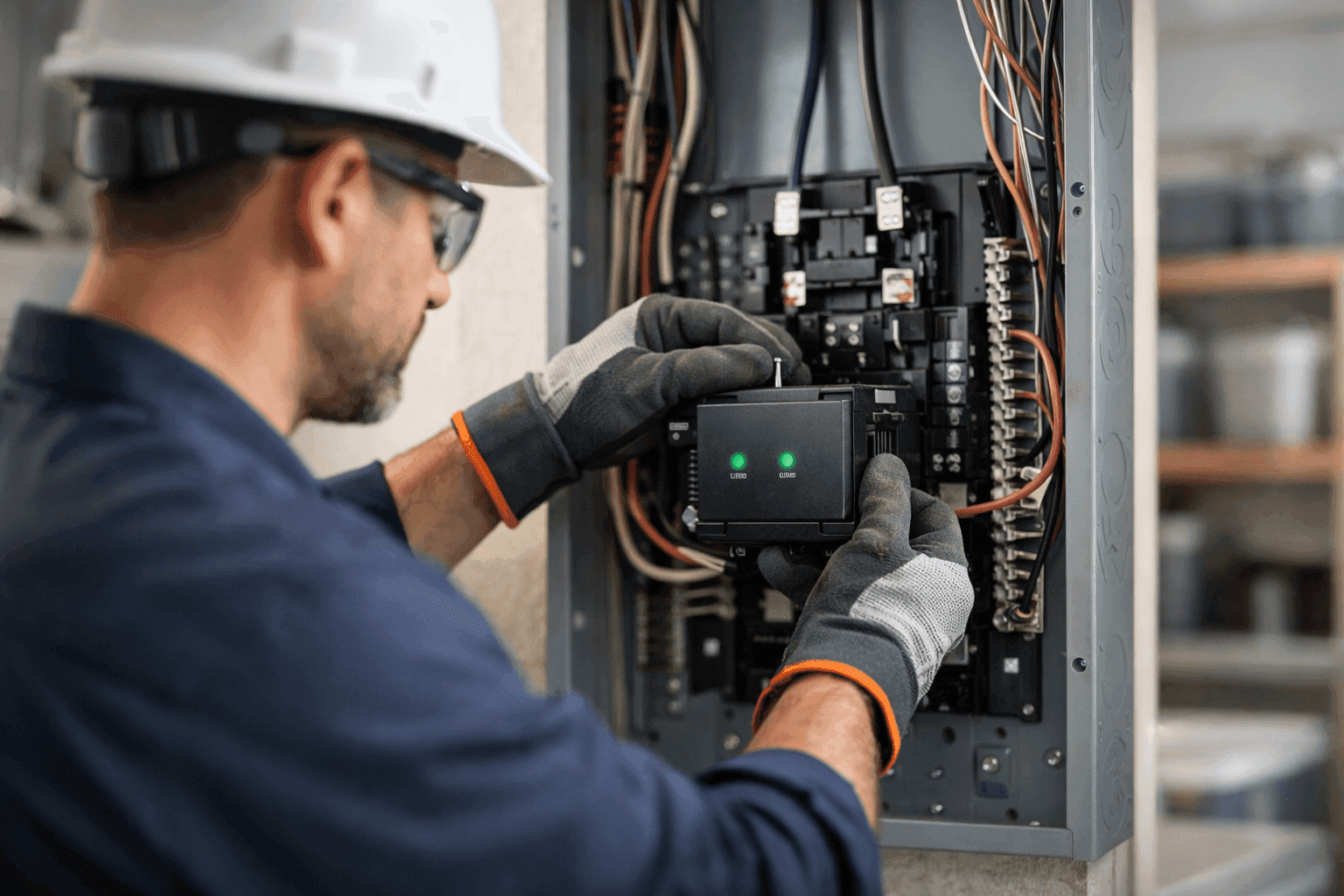
Is your home really safe from sudden electrical surges? Most homeowners rarely think about it—until their TV, fridge, or home office equipment suddenly stops working. At Lighteq Electric, we know what’s at stake. Lost memories. Broken appliances. Unexpected bills. And a whole lot of stress.
Let’s talk about real protection. Not just for today, but for every storm, every power hiccup, every time the grid acts up. Here’s what you need to know about whole-home surge protection and why thousands trust qualified electricians to keep their homes safe.
What Causes Power Surges? ⚡
Power surges are like lightning-fast tsunamis thundering through your wires. They can hit without warning—and they aren’t always caused by lightning.
Here’s what sparks a surge:
- Lightning Strikes: Even if lightning doesn’t hit your house directly, a nearby strike can send a powerful surge through power lines, phone lines, or even the ground itself.
- Utility Grid Swings: When the power company switches grids or restores power after an outage, voltage can spike in an instant.
- Large Appliances: Your air conditioner, pool pump, or fridge turning on and off can cause “internal” surges. Over time, these small hits add up.
- Faulty Wiring: Old, damaged, or poorly installed wiring can make your home more vulnerable.
- Downed Power Lines & Accidents: Unexpected events in your neighborhood can send surges racing through the block.
A surge doesn’t care where it starts. It only cares about where it ends up—which could be your living room.
How Surge Protection Works
Imagine a bouncer at the front door of your electrical panel. When trouble tries to get in, it redirects the chaos safely away before it can trash your stuff.
Whole-home surge protection devices are installed directly into your main electrical panel. When a surge comes knocking, these devices sense the excess voltage and shunt (redirect) it safely to the ground. That way, only the right amount of power reaches your devices.
It’s not magic. It’s smart engineering, built to stand between your valuables and disaster.
Benefits for Homeowners
Why does surge protection matter—really?
- Protects Every Outlet: Not just the big stuff. Everything from smart TVs to phone chargers, laptops to LED bulbs.
- Saves Money: Replacing fried electronics or appliances can cost thousands. A surge protector is a one-time investment that pays for itself.
- Peace of Mind: Sleep easier during storms, grid maintenance, or when that ancient fridge kicks on.
- Insurance Implications: Some insurers may reduce payouts if you don’t have adequate surge protection. Equipment damages from surges can be costly and not always fully covered.
- Compliance: The National Electrical Code (NEC) now requires surge protection in new or substantially renovated homes. See NEC Article 230.67 for details.
The Installation Process
Think of it as adding armor to your electrical system.
- Assessment: A licensed electrician reviews your panel, wiring, and unique needs. We’ll look at your home’s age, the types of electronics you use, and your history of electrical issues.
- Choosing the Right Device: Not all surge protectors are created equal. We match the right device to your system, considering factors like amperage and voltage.
- Professional Installation: The device is wired directly into your electrical panel. This is precision work—done wrong, it can cause more harm than good.
- Testing: Every installation is tested to ensure the surge protector is working and your home is safe.
Want to know what’s involved in electrical panel upgrades or repairs? Check out our Panels & Breakers and Repairs service pages for more on how we get things done right.
Quick Safety Checklist
- Have you had any unexplained device failures?
- Do your lights flicker or dim when appliances start?
- Has your neighborhood experienced recent power outages or line work?
- Is your home more than 10 years old, or have you added major appliances?
- Are surge strips overloaded around your house?
If you answered “yes” to any of these, it’s time for a professional electrical safety inspection.
DIY vs. Call a Pro
Plug-in surge strips at the store can help with small surges—but they’re not enough for whole-home protection. Only a licensed electrician should install a panel-mounted surge protector. Why?
- Code compliance (NEC and local codes matter)
- Safe installation (incorrect wiring can create fire risks)
- Warranty and insurance considerations
Don’t risk your home’s safety to save a few bucks. This is one job for the pros.
What the Pros Do On Arrival
Expect a thorough approach, not a quick fix.
- Inspect your panel and main service connection.
- Evaluate the load and wiring condition.
- Recommend the best surge protector for your setup.
- Install and test the device under real-world conditions.
- Review your system for other safety improvements.
At Lighteq Electric, we treat your home like our own—careful, thorough, and always up to code.
Maintenance: Keeping Your Guard Up 🚨
Surge protectors aren’t “set and forget.” Like any electrical device, they can wear out—especially after taking a hit.
- Annual Checks: Ask your electrician to inspect the protector during regular maintenance.
- Indicator Lights: Most devices have warning lights or alarms that signal when replacement is needed.
- After a Major Surge: If your home takes a big hit (like a lightning storm), it’s smart to schedule an inspection.
And remember: the cost of a new surge protector is a drop in the bucket compared to replacing your major appliances.
Common Mistakes Homeowners Make
- Relying only on power strips (they don’t protect the whole house)
- Ignoring warning lights on the surge protector
- Skipping regular panel safety checks
- Not updating surge protection after renovations or new appliances
A quick call to your local electrician can prevent big headaches down the road.
Real-World Scenarios: It’s Not Just Storms
Power surges don’t just happen during lightning storms.
- Pool & Spa Electrical near you: Pumps, heaters, and lighting can trigger internal surges.
- Home Automation: Smart tech is sensitive to voltage swings.
- EV Chargers: High-powered charging creates unique demands on your system.
If your home is getting smarter, surge protection is even more important.
Code Requirements and Professional Installation
Electrical codes change. The 2020 NEC (National Electrical Code) now requires surge protection devices for new or replaced panels in most homes. This isn’t just a “nice to have”—it’s about keeping you and your family safe.
Only a licensed electrician can ensure your installation meets the latest safety standards. Want to know if your home is up to code? Schedule an inspection with Lighteq Electric.
Timeline, Disruption, and What to Expect
Worried about messy installations? Most whole-home surge protectors are up and running in a couple of hours. Our team keeps disruptions minimal—no need to move out, clear the fridge, or cancel dinner plans.
We’ll walk you through every step, from turning off the main breaker to testing the finished system. You’ll know exactly what’s happening and why.
Seasonal Considerations
Storm season. Summer heatwaves. Winter blackouts.
Surges can strike any time of year, but especially during:
- Thunderstorm season, when lightning is common
- Winter, when the grid is under heavy load
- During neighborhood construction or grid upgrades
Plan ahead—don’t wait for the next big storm.
When It’s an Emergency
If you smell burning, see smoke, or lose power after a surge, call for emergency electrical help immediately. Safety comes first. Lighteq Electric offers 24-hour service for urgent issues.
Practical Tips for Homeowners
- Unplug sensitive electronics during big storms.
- Don’t overload outlets or use cheap extension cords.
- Schedule annual electrical safety checks.
- Ask about surge protection when adding new appliances or renovations.
Frequently Asked Questions
Q: Do I need both surge strips and a whole-home surge protector? A: Yes. Whole-home devices cover the big hits, but local strips add another layer for your most valuable electronics.
Q: Will surge protection stop every type of damage? A: No. It’s a major shield, but not a guarantee against every event. Nothing replaces safe wiring and smart habits.
Q: Is surge protection expensive? A: Panel-mounted devices are affordable compared to the cost of replacing appliances or electronics. Installation is quick for an experienced electrician.
Q: How do I know if my surge protector is still working? A: Most have indicator lights. If the light is off or red, call your electrician for a checkup.
Ready to Protect Your Home?
Your home is more connected than ever. Don’t let a sudden surge ruin your peace of mind—or your investment.
If you’re looking for reliable electrician services or want to learn more about surge protection, Lighteq Electric is here to help.
Call Lighteq Electric now — or reach us anytime at 855-552-3493 .