What to Do During a Power Outage: Electrical Safety & Restoration Tips
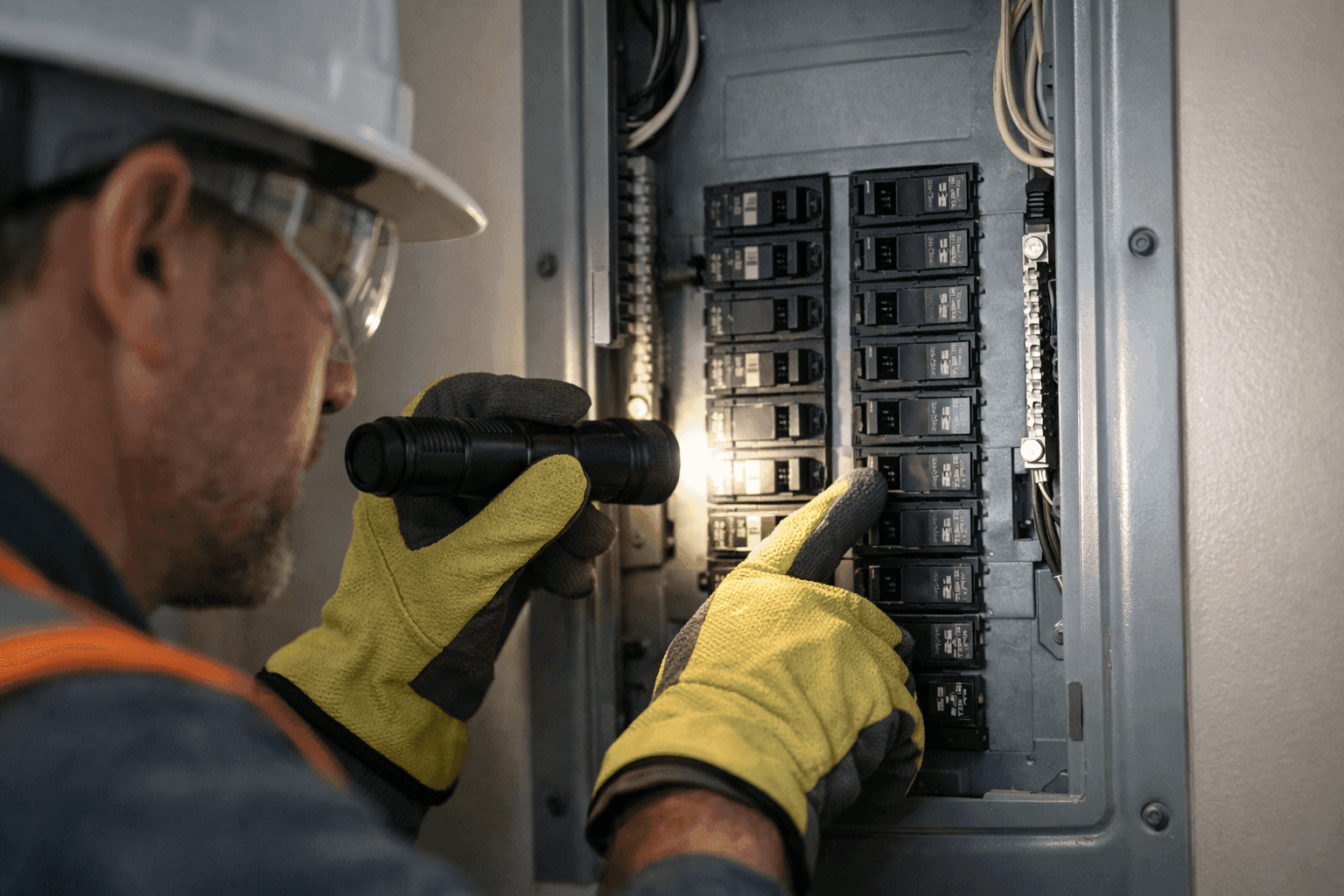
When the lights go out, so does your sense of normal. The hum of your fridge fades. The house quiets, but tension rises. If you’re reading this by flashlight or candle, you’re already feeling the urgency. Power outages can strike unexpectedly—storms, accidents, even simple equipment failures can leave you and your family in the dark.
At Lighteq Electric, we understand how stressful these moments can be. As certified electricians, we’ve helped families restore comfort and safety when it matters most. Whether it’s a midnight freeze or a summer thunderstorm, having a clear plan can make all the difference.
Immediate Steps to Take When the Power Goes Out ⚡
Time is of the essence. Here’s what you should do as soon as you notice the power’s gone:
- Check your surroundings: Is it just your house? Look outside—if the whole street is dark, it’s likely a wider outage.
- Turn off and unplug: Power down sensitive electronics and unplug appliances. This prevents damage from surges when the power returns (U.S. Department of Energy).
- Keep fridge and freezer doors closed: Food can stay cold for hours if you minimize opening the doors.
- Use flashlights, not candles: Candles may seem cozy, but they can easily cause fires in a tense situation.
- Check your main breaker: Sometimes, a tripped breaker is the culprit. If you’re unsure, don’t force it—call an electrician.
Avoiding Electrical Hazards
A dark house hides dangers. The last thing you want is a second emergency. Here’s how to stay safe:
- Never touch downed power lines: Even if they seem dead, they could be live. Report them immediately to your utility company.
- Stay away from flooded areas: Water and electricity are a dangerous mix. If your basement floods, don’t wade in to check circuits.
- Don’t overload outlets: When power returns, plugging everything in at once can trip circuits or cause fires.
- Be cautious with extension cords: Temporary fixes shouldn’t become permanent solutions.
Checking for Damage Before Restoration
Before you try to bring the house back to life, do a quick check:
- Inspect appliances: Look for any signs of burning, smoke, or water damage.
- Smell for gas: If you notice a rotten egg odor, evacuate and call emergency services immediately.
- Check the panel: If your electrical panel feels hot, hisses, or smells odd, don’t touch it—call an electrician right away.
- Look for sparks or scorch marks: Around outlets, switches, and the main panel.
Generator Safety: Your Lifeline, Not a Landmine
Backup power can be a lifesaver, but only if used safely. The National Fire Protection Association (NFPA) stresses:
- Never run generators indoors: Carbon monoxide is deadly. Use them outside, away from windows.
- Keep dry and grounded: Protect your generator from rain and never touch with wet hands.
- Fuel up safely: Always turn off and cool down the generator before adding fuel.
- Use heavy-duty extension cords: Only plug in what you need.
If you need help choosing or installing a generator, see our Generators and Backup Generators service pages for more info.
Protecting Your Food and Electronics
No power? Your fridge becomes a ticking clock. Here’s how to save what you can:
- Keep fridge/freezer shut: Up to 4 hours for fridge, 48 hours for a full freezer.
- Group perishables together: They help each other stay cold.
- Use coolers and ice: If outage lasts, transfer food to coolers.
- Unplug computers and TVs: When the grid comes back, surges can fry sensitive gear.
What to Do in Storms and Freezes ❄️
Weather events add risk. Ice, snow, or heavy wind can make things worse:
- Dress in layers: Stay warm with blankets and layered clothing.
- Never use grills or camp stoves indoors: Carbon monoxide kills silently.
- Charge essentials beforehand: Phones, power banks, and medical devices.
- Clear snow away from generator vents: Prevents deadly exhaust buildup.
When to Call an Electrician
Not every outage is DIY-friendly. Call a certified electrician if:
- The outage only affects your home and you can’t find the cause.
- You hear buzzing, see sparks, or smell burning.
- Your circuit breakers trip repeatedly.
- The panel feels hot or makes strange noises.
If you’re in need of immediate help, our Emergency Service is available 24/7.
What Electricians Check During Emergency Calls
When you call Lighteq Electric, here’s what certified professionals look for:
- Panel inspection: Checking breakers, wiring, and for any signs of burning or moisture.
- Testing circuits: Ensuring there are no short circuits or overloaded lines.
- Grounding and bonding: Verifying that your system is safe before restoring power.
- Assessing generator installations: Making sure backup systems are safe and code-compliant.
DIY vs. Professional Help: Know Your Limits
A flashlight and common sense go a long way. But certain things need a skilled hand:
-
Safe to DIY:
- Checking breakers (if you know how)
- Unplugging appliances
- Using flashlights and battery radios
-
Call a pro:
- Any sign of damaged wiring or panels
- Water near electrical equipment
- Ongoing power flickers or partial outages
Think of it like fixing a leaky faucet versus a burst pipe—know when to let an electrician take over.
Prevention & Maintenance: Outages Don’t Have to Be a Surprise
The best time to prepare for the next outage is before it happens. Consider:
- Regular electrical safety inspections: Catch problems before they become emergencies.
- Install surge protection: Protects against sudden spikes.
- Upgrade old wiring: Especially in older homes—reduces risk of fire.
- Have a backup plan: Consider a professionally installed generator or battery backup.
Costs & Time Factors: What Should You Expect?
Outage recovery isn’t one-size-fits-all. Factors include:
- Severity of damage: Simple breaker trips? Quick fix. Damaged panel? More time.
- Parts and equipment: Some repairs need special-order parts.
- After-hours calls: Emergency services may cost more, but peace of mind is priceless.
Signs the Outage Is More Than a Fluke
Sometimes outages hint at deeper issues:
- Frequent breaker trips
- Flickering lights
- Buzzing outlets or switches
- Burning smells
These are red flags. Don’t ignore them. Schedule a safety check soon.
Timeline & Disruption: How Long Will It Take?
- Quick fixes: 30 minutes to an hour for reset breakers or simple repairs.
- Major repairs: Several hours to a day, especially if replacement parts are needed.
- Generator installations: Plan for a day or two, including testing and inspections.
Materials & Equipment: What Should You Have on Hand?
- Flashlights and extra batteries
- Battery-powered radio
- First aid kit
- Manual can opener
- Coolers and ice packs
- Charged power banks
A little planning now means less panic later.
Common Mistakes During Outages
- Using candles for light
- Plugging in too many devices at once
- Ignoring odd smells or noises
- Forgetting to check on neighbors, especially the elderly
FAQ: Your Power Outage Questions Answered
Q: Will my food spoil if the power’s out for a few hours?
A: If you keep fridge and freezer doors closed, most food stays safe for several hours.
Q: Can I use my oven for heat?
A: Never. Ovens aren’t meant for space heating and can cause carbon monoxide poisoning.
Q: How do I know if it’s safe to reset my breaker?
A: Only if you’re comfortable and see no visible damage. When in doubt, call a licensed electrician.
Q: Where can I find reliable electrician services near me?
A: For dependable electrician services, Lighteq Electric is ready to help day or night.
Planning for the Future: Build Your Electrical Resilience 🛡️
A power outage can be a wake-up call. With a little foresight, you can turn disruption into confidence:
- Schedule regular maintenance with a certified electrician.
- Install a backup generator for peace of mind.
- Keep emergency numbers handy—yours, utility company, and Lighteq Electric.
- Educate your family: Make sure everyone knows where the panel and flashlights are.
Ready for Safe, Orderly Recovery?
You don't have to weather the storm alone. Lighteq Electric is here 24/7—whether it’s restoring power, installing backup generators, or guiding you through an emergency with calm expertise.
Call Lighteq Electric now — or reach us anytime at 855-552-3493 .