When to Upgrade Wiring and Circuits in Older Homes
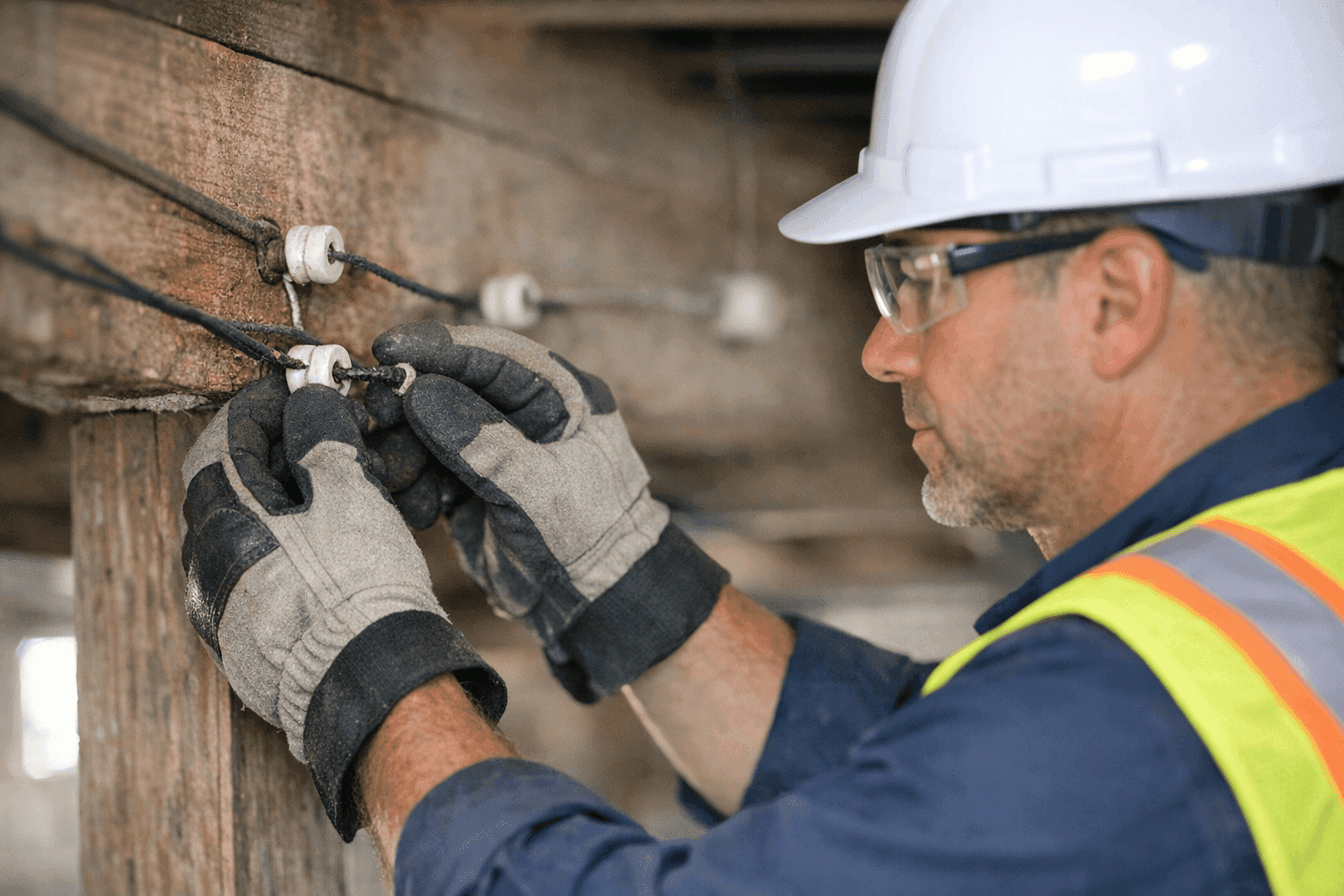
Does your home have a story older than you are? Behind those charming walls could be a network of tired wires and outdated circuits—silent until trouble sparks. At Lighteq Electric, we know vintage homes deserve modern safety. If your house is showing its age, your wiring may be too.
Let’s talk about when it’s time to upgrade, why it matters, and how to plan a safe journey from old to new.
Why Upgrade Old Wiring? ⚡
Old wiring is like an old hose: it may look fine, but it cracks under pressure. Today’s households run dozens of devices—far more than the builders of 1940 or 1970 ever imagined. Outdated wiring just can’t carry the load.
Common legacy wiring types and their issues:
- Knob-and-tube: Pre-1950s. No ground wire, poor insulation. Fire risk.
- Cloth-insulated wiring: 1950s-1960s. Insulation breaks down, exposing live wires.
- Aluminum wiring: 1960s-1970s. Expands and contracts, causing loose connections and overheating.
- Two-prong outlets: No ground, unsafe for modern electronics.
Each of these is a relic from another era. The problem? Old wires fray, insulation crumbles, and circuits overload. That’s a recipe for shocks, blackouts, or worse.
Warning Signs: How to Know It’s Time
Sometimes, your house whispers for help. Listen for these clues:
- Flickering or dimming lights when you use appliances.
- Warm or discolored outlets and switches.
- Frequent tripped breakers or blown fuses.
- Buzzing sounds from walls or outlets.
- Outlets that are loose, sparking, or only two-prong.
If you smell burning or see smoke, treat it as an emergency. Don’t ignore these signs—think of them as your home’s SOS signal.
What Upgrades Involve
Upgrading wiring isn’t just swapping out a few wires. It’s a full refresh, tailored to your home’s age and your lifestyle.
Typical steps:
- Electrical Safety Inspection: A licensed electrician examines your system from panel to outlet. We spot hidden hazards and code violations. See our Electrical Safety Inspections service for more.
- Wiring & Circuits Planning: We map your current system and plan new circuits to handle modern loads. See our Wiring & Circuits page for details.
- Removal of Old Wiring: Out with the brittle, in with the robust.
- Installing New Wiring: Modern copper wires, grounded outlets, and updated panels.
- Testing: Every inch is checked for safe operation.
Insurance and Code Issues
Did you know most insurers frown on knob-and-tube or aluminum wiring? Some even refuse coverage until you upgrade. Local electrical codes—based on the National Electrical Code (NEC)—require grounded outlets, GFCIs in kitchens and baths, and arc-fault protection in bedrooms.
An upgrade isn’t just about safety. It keeps your house legal, insurable, and easier to sell.
Quick Safety Checklist
Before you dust off that old fuse box, run through this:
- Do you have any two-prong (ungrounded) outlets?
- Is your breaker panel older than 30 years?
- Have you ever smelled burning near outlets or switches?
- Do your outlets spark, or do any appliances cause lights to dim?
If you answer yes to any, call an electrician before using heavy appliances or doing renovations.
DIY vs. Call a Pro
Replacing a lightbulb? Go ahead. Rewiring a house? That’s pro territory. Electrical work is like brain surgery for your home—it takes skill, permits, and the right tools. Mistakes aren’t just costly; they’re dangerous.
Lighteq Electric’s licensed team knows the quirks of historic homes, from brick-and-lathe walls to hidden junction boxes. Don’t risk it—get it done right.
What Pros Do On Arrival
Here’s what to expect:
- Careful inspection of your service panel, outlets, and visible wiring.
- Testing for voltage drops, loose connections, and proper grounding.
- Checking for overloaded circuits or unsafe DIY fixes.
- A clear plan for upgrades, with safety and code compliance first.
We respect your home’s character while giving it today’s safety.
Prevention & Maintenance Tips
Once upgraded, don’t let your new system gather dust. Simple habits go a long way:
- Don’t overload outlets or use too many extension cords.
- Schedule regular rewiring checks for homes over 40 years old.
- Install surge protection for sensitive electronics.
- Test smoke and carbon monoxide detectors every month.
A little attention now prevents big headaches later.
Costs & Time Factors
How much will it cost? It depends on your home’s size, wiring type, and scope. Rewiring a single room: a few days. A whole house: one to two weeks, sometimes longer for historic properties.
Budget for:
- Materials (modern copper wiring, new panels)
- Labor (skilled electricians)
- Permit and inspection fees
You may need to move furniture or plan for some wall repair. But the peace of mind is worth every penny.
When It’s an Emergency
Power out? Smell burning? Outlets or switches hot to the touch? Don’t wait.
Turn off your main breaker and call for 24 Hour Service. At Lighteq Electric, we handle emergencies day and night, so you’re never left in the dark.
FAQ: Common Concerns About Old Wiring
Is old wiring illegal?
No, but it often doesn’t meet current code. Insurance and safety are the real issues.
Can I keep my old outlets?
If they’re two-prong or ungrounded, it’s safest to replace them.
Will rewiring damage my walls?
Some access holes are needed, but we work cleanly and restore surfaces after.
How do I know if I have aluminum wiring?
Check your panel or ask a professional. Aluminum is usually marked “AL” on the insulation.
Seasonal Considerations
Electrical issues can spike in winter (heaters) and summer (AC units, pool pumps). Plan upgrades before heavy-use seasons so you’re not caught off guard.
Common Mistakes to Avoid
- Ignoring flickering lights or warm outlets.
- Using non-licensed handymen for wiring jobs.
- Overloading circuits with power strips.
- Skipping regular inspections.
Signs of Trouble: What Not to Ignore
If you see any of these, call an electrician:
- Burning smells, buzzing, or popping from outlets.
- Outlets that are loose or sparking.
- Circuit breakers that trip repeatedly.
Don’t hope it gets better. Electrical problems get worse with time.
Timeline & Disruption: What to Expect
Expect some dust, some noise, and a bit of rearranging. We keep disruptions to a minimum and communicate at every step. Your comfort and safety are our priorities.
Materials and Equipment: What’s Used Today
Modern wiring uses copper, grounded outlets, tamper-resistant receptacles, and arc-fault breakers. For high-demand rooms, we add extra circuits. For older homes, we make sure everything blends in—safety without sacrificing style.
Why Choose Lighteq Electric for Historic Homes
We love the character of old homes and have years of experience making them safer, room by room. Our team is fully licensed and up-to-date on the latest code and safety guidelines. If you’re looking for Wiring & Circuits or need an electrician with a gentle touch for heritage properties, we’re here to help.
Ready to Make Your Home Safer?
Don’t let outdated wiring put your family or your investment at risk. Get peace of mind—reach out for a thorough inspection or upgrade.
Call Lighteq Electric now — or reach us anytime at 855-552-3493 .