Why Backup Generators Are a Must for Modern Homes
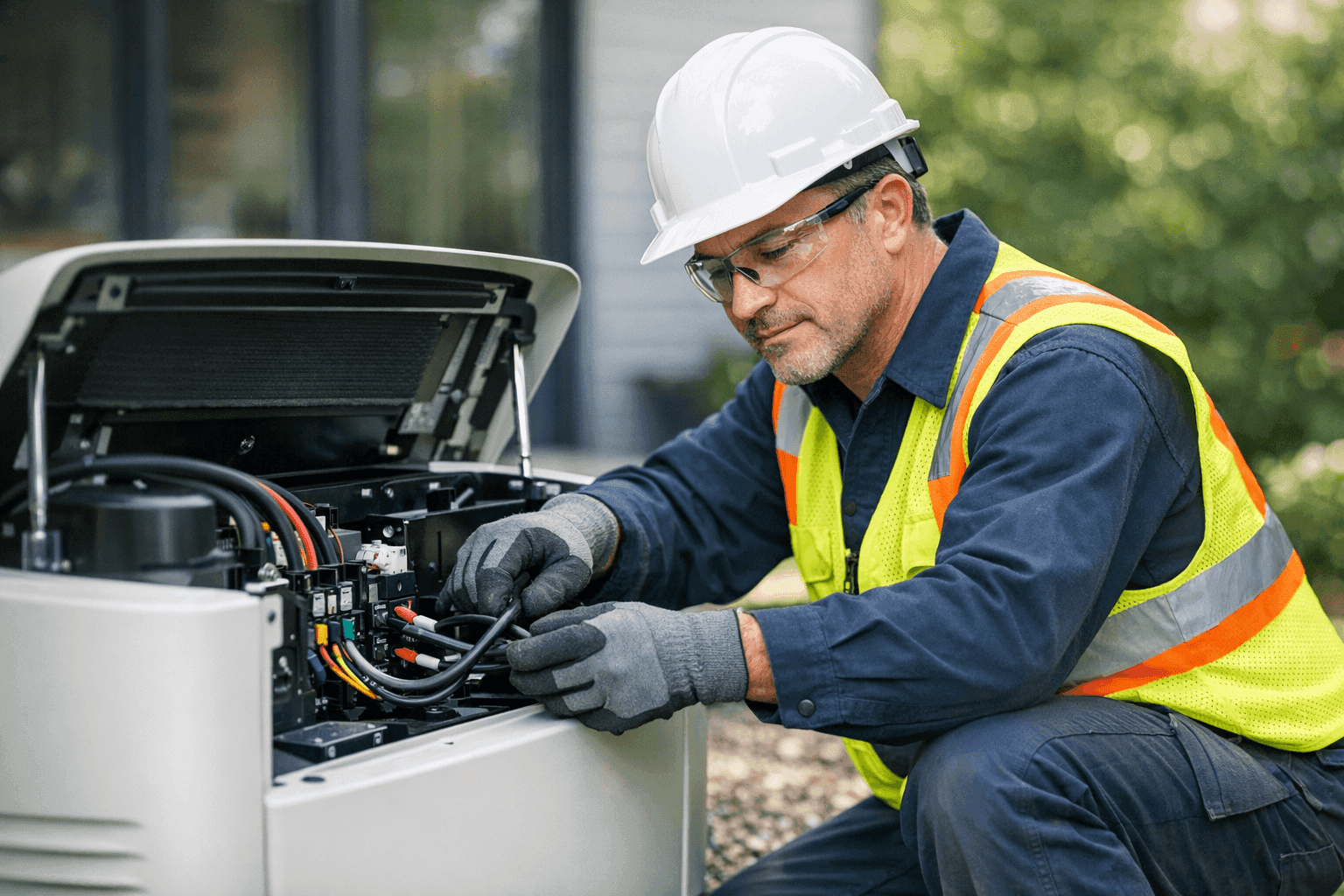
Power outages don’t wait for a convenient time. One moment you’re cooking dinner or helping your kids with homework. The next? Darkness, silence, and uncertainty. For families who want peace of mind, safety, and comfort, a backup generator isn’t just a luxury—it’s a must.
At Lighteq Electric, we help homeowners protect what matters most. Our team delivers reliable solutions, certified installations, and clear advice. Let’s walk through why backup generators are essential for today’s homes.
What Is a Backup Generator? ⚡
A backup generator is like a safety net for your home’s power supply. When your main electricity goes out, the generator steps in and keeps your lights, appliances, and vital systems running. It’s the difference between waiting out a storm in the cold and staying safe and warm, no matter what’s happening outside.
Backup generators come in various sizes and fuel types (like natural gas or propane). Some are permanently installed and kick in automatically. Others are portable, offering flexibility for smaller needs.
How Backup Generators Work
Think of a backup generator as your home’s emergency quarterback. When it senses a power loss, it automatically starts up—often within seconds. Here’s the play-by-play:
- Detection: The generator’s transfer switch monitors your home’s electricity. If there’s an outage, it signals the generator.
- Activation: The generator’s motor fires up, producing electricity.
- Switching: The transfer switch reroutes your home’s circuits from the main grid to the generator.
- Restoration: When grid power returns, the system switches back, and the generator powers down.
No scrambling for candles. No spoiled food. No worrying about your security system or medical devices failing.
Why Modern Homes Need Backup Power
Today’s houses are smarter—and more dependent on electricity—than ever. Home automation, security systems, smart appliances, and electric vehicles all demand steady power. Losing it can mean more than just inconvenience. It can impact your safety, comfort, and wallet.
Imagine your sump pump failing during a storm. Or losing refrigeration for days. Backup power keeps everything running smoothly, no matter what life throws your way.
Key Benefits of Installing a Backup Generator
Let’s break down what a backup generator brings to your home:
- Safety: Keeps critical systems running—think medical devices, alarms, lighting, and heating/cooling.
- Comfort: No need to rough it through blackouts. Stay warm, cool, and connected.
- Convenience: No more racing to hotels or throwing out spoiled groceries.
- Property Protection: Prevents water damage, frozen pipes, or other hazards common during outages.
- Peace of Mind: You’re prepared for storms, wildfires, or grid failures.
Safety First: What Every Homeowner Should Know 🛑
Backup generators can be lifesavers—but only when installed and maintained safely. The National Electrical Code (NEC) sets strict requirements for generator installation. Improper setup can lead to serious hazards, like carbon monoxide poisoning or electrical fires.
Always work with a licensed electrician. At Lighteq Electric, our certified pros handle:
- Safe placement away from windows and doors (to vent exhaust).
- Correct fuel storage and connections.
- Testing and compliance with local and national codes.
Never use a portable generator indoors or connect it directly to your home’s wiring without a transfer switch. The risks are too great.
Choosing the Right Size for Your Home
Not all generators are created equal. Picking the right size depends on your needs and budget. Here’s what to consider:
- Essential Circuits: Decide what you want powered during an outage—just the basics, or your whole house?
- Wattage: Add up the starting and running wattage of key appliances.
- Fuel Source: Natural gas, propane, or diesel? Each has pros and cons for cost and storage.
- Space: Where will the unit sit? Local codes may dictate minimum clearances.
A professional electrician can size your system for your home and lifestyle. We offer tailored advice, so you’re never paying for more (or less) than you need.
Installation: What to Expect
Installing a backup generator isn’t a weekend DIY project. Here’s how our process works:
- Consultation: We visit your home, discuss your needs, and assess your electrical panel and wiring.
- Sizing: Our team calculates your power requirements and recommends units that fit.
- Permitting: We handle local permits and code requirements.
- Installation: Our licensed electricians set up the generator, transfer switch, and fuel connections.
- Testing: We run a full system test and show you how to operate your new generator.
- Documentation: We provide all paperwork and manufacturer instructions.
Expect some noise and temporary power interruptions during installation—but most jobs wrap up within a day or two.
Maintenance: Keeping Your Generator Ready
A backup generator is like a car—it needs regular care to perform when you need it most. We recommend:
- Running your generator at least once a month.
- Scheduling annual maintenance checks.
- Changing oil, filters, and spark plugs as needed.
- Clearing debris and keeping the area around the unit clean.
Many homeowners sign up for a maintenance plan. This way, you’ll never face an outage with a generator that won’t start.
Common Mistakes to Avoid
- Skipping Permits: Unpermitted work can void insurance and cause fines.
- Improper Sizing: Too small, and you overload the unit. Too large, and you waste money.
- Ignoring Fuel Storage: Running out of propane during a storm? Not fun.
- DIY Wiring: Electrical work is never a guessing game. Always hire a professional.
Timeline and Home Disruption
Most residential generator installations take 1–2 days, depending on complexity. There may be brief power interruptions while we connect your new system. We’ll let you know what to expect, so there are no surprises.
DIY vs. Calling a Pro: Why Experience Matters 🧰
Installing a generator involves more than plugging in a machine. There’s wiring, gas or fuel lines, ventilation, and code compliance. A certified electrician from Lighteq Electric ensures everything is done right—protecting your investment and your family.
Quick Safety Checklist for Homeowners
- Only use generators outdoors, away from windows and doors.
- Keep the generator dry and shielded from rain/snow.
- Install a carbon monoxide detector in your home.
- Store fuel safely, following all local guidelines.
Refer to resources like the National Fire Protection Association (NFPA) and U.S. Consumer Product Safety Commission for additional safety tips.
Cost Considerations: Investment vs. Inconvenience
Backup generators range from a few thousand dollars for portable units to more for whole-house systems. Installation costs vary based on size, fuel source, and local codes. But compare this to potential losses—spoiled food, hotel stays, flood damage, or medical risks. For many families, the investment pays for itself the first time the lights stay on.
Ask us about the most cost-effective options for your needs. We’ll walk you through every step, with clear pricing and no surprises.
Emergency Service: When Every Minute Counts 🚨
Sometimes, you don’t have time to plan. If your generator isn’t working in an emergency, Lighteq Electric offers 24-hour Emergency Service for fast, reliable help. We’re here when you need us.
Seasonal Considerations
Storms, wildfires, and extreme weather can strike any time of year. Spring and summer bring lightning and wind; winter brings ice and downed lines. It’s smart to test your generator before each season and keep extra fuel on hand for emergencies.
Integrating with Smart Home Systems
Today’s backup generators can pair with home automation. Control and monitor your system from your phone, receive maintenance alerts, and even integrate with energy management tools. Ask our team about Home Automation solutions for seamless power and control.
FAQ: Your Backup Generator Questions, Answered
Q: How often should I test my generator?
A: Once a month is a good rule of thumb. Run it for 20–30 minutes and check for any issues.
Q: Can I power my whole house with a backup generator?
A: Yes, with the right size unit and professional installation. We’ll help you choose the best fit.
Q: What about permits and inspections?
A: We handle all permits and ensure your installation meets local and national codes.
Q: Is a standby generator loud?
A: Most modern units are surprisingly quiet—about as loud as a central AC.
Signs Your Generator Needs Service
- Trouble starting or frequent shutdowns
- Unusual noises or smoke
- Warning lights or error codes
- Fuel leaks or odors
- Missed maintenance intervals
Don’t wait for an outage to discover a problem. Schedule regular checks with Lighteq Electric.
Why Choose Certified Installation?
Working with a certified electrician isn’t just about following the rules—it’s about protecting your home and family. Our technicians are trained to meet industry standards, carry the right insurance, and follow all local codes. You get peace of mind, from the first consultation to ongoing maintenance.
If you’re searching for reliable Backup Generators or Pool & Spa Electrical near you, our team is ready to help.
Call Lighteq Electric now — or reach us anytime at 855-552-3493 .